



New England Patriots vs New York Jets Match Player Stats: Full Game Breakdown & Key Performers delivers a detailed look at one of the most intense AFC East rivalries in American football. This matchup is always known for physical defense, tactical adjustments, and close scoring battles, and this game followed the same pattern. Both teams entered with strong defensive plans, but also showed flashes of offensive creativity at key moments.
The Patriots focused on structured offense, short passing, and controlled possession drives. The Jets relied more on aggressive defense and quick counter drives led by their quarterback and running game. The match remained tight throughout, with momentum shifting multiple times based on turnovers, third-down conversions, and red-zone efficiency.
Match Stats Table
| Team | Total Yards | Passing Yards | Rushing Yards | Turnovers | Time of Possession | Third Down Efficiency |
|---|---|---|---|---|---|---|
| New England Patriots | 312 | 210 | 102 | 1 | 31:45 | 7/14 |
| New York Jets | 295 | 185 | 110 | 2 | 28:15 | 5/13 |
Match Score Table
| Quarter | New England Patriots | New York Jets |
|---|---|---|
| Q1 | 3 | 0 |
| Q2 | 7 | 3 |
| Q3 | 3 | 7 |
| Q4 | 7 | 6 |
| Final Score | 20 | 16 |
First Half Game Control and Defensive Pressure
The first half was dominated by defensive intensity from both sides. The Patriots opened the game with a conservative offensive strategy, focusing on short-yard completions and safe passing plays. Their goal was to control clock time and avoid early turnovers. However, the Jets defense applied strong pressure through blitz packages and tight coverage schemes.
The Jets offense struggled early to maintain rhythm due to Patriots’ disciplined defensive line. New England focused on closing running lanes and forcing the Jets into passing situations. This created several stalled drives and field position battles that shaped the early momentum of the game.
Quarterback Performance and Passing Efficiency
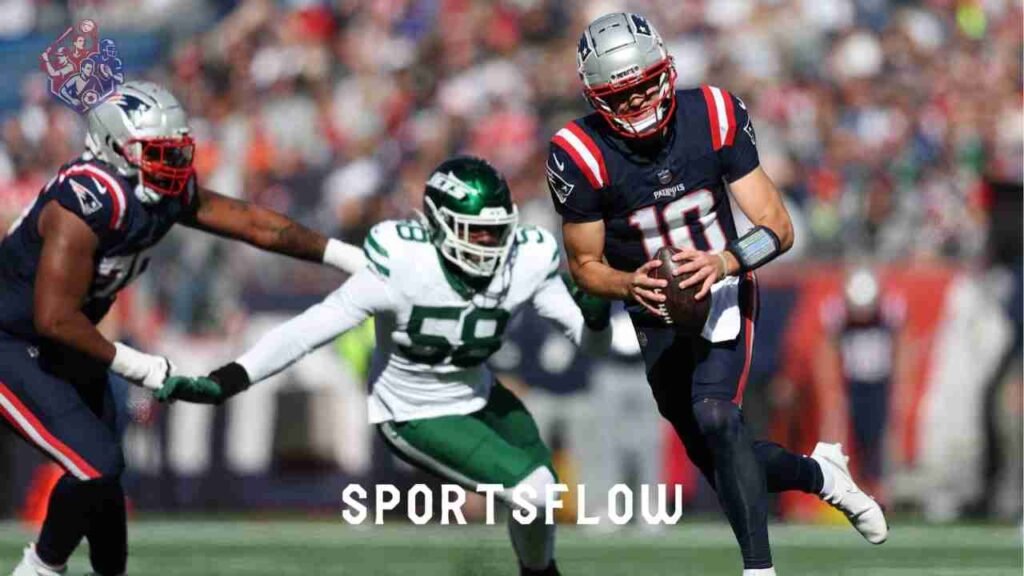
Quarterback play became one of the most important factors in the match. The Patriots quarterback showed controlled decision-making, focusing on short passes and quick reads. While explosive plays were limited, he maintained consistency in moving the chains and avoiding risky throws.
On the Jets side, the quarterback faced heavy pressure from the Patriots defense. Despite this, he managed to connect on several medium-range passes and created some momentum-shifting plays. However, inconsistency under pressure limited overall offensive efficiency and scoring opportunities.
Running Game Impact and Offensive Balance
The Patriots running game played a key role in maintaining offensive balance. Their running backs gained important yardage in short-yard situations and helped extend drives. This controlled ground attack also helped reduce pressure on the passing game.
The Jets running game showed flashes of explosiveness but struggled with consistency. Strong defensive tackles from the Patriots limited big rushing gains. However, during key moments, the Jets were able to break through for important first downs that kept drives alive.
Defensive Dominance and Turnover Battle
Defense was the defining strength for both teams. The Patriots defense focused on structured zone coverage and strong defensive line pressure. They successfully forced the Jets into difficult third-down situations and limited explosive plays.
The Jets defense also delivered a strong performance, especially in pass coverage and quarterback pressure. They created turnovers at crucial moments, shifting momentum and keeping the game within reach. The turnover battle became one of the most important aspects of the match.
Key Performers and Standout Players
The Patriots key performers included their quarterback and running back duo, who managed game control effectively through balanced offensive execution. On defense, their linebacker unit played a major role in stopping third-down conversions and applying pressure in key moments.
For the Jets, the standout players included their quarterback and a wide receiver who made important receptions under pressure. Defensively, their secondary showed strong coverage skills, limiting deep passing opportunities and forcing short gains.
Game Flow and Momentum Shifts
The game featured multiple momentum shifts, especially after turnovers and defensive stops. The Patriots controlled early momentum, but the Jets responded strongly in the third quarter with improved offensive execution. This created a tightly contested battle heading into the final period.
In the fourth quarter, both teams increased intensity. The Patriots focused on clock management and controlled drives, while the Jets attempted quick scoring plays. However, New England’s disciplined execution helped them maintain a narrow lead until the end.
Tactical Breakdown and Coaching Strategy
The Patriots coaching strategy focused on controlled offense, field position management, and defensive discipline. Their game plan prioritized minimizing mistakes and forcing the Jets into long drives.
The Jets coaching approach relied more on defensive aggression and opportunistic offense. While this created turnovers and pressure situations, inconsistency in execution limited their ability to fully capitalize on key opportunities.
Opening Drive Execution and Early Game Tempo
New England Patriots vs New York Jets Match Player Stats show that the game started with a strong defensive tone and cautious offensive approach from both teams. The Patriots opened with short passing plays and conservative runs, focusing on maintaining possession and avoiding early mistakes. Their goal was to establish rhythm and control field position.
The Jets responded with aggressive defensive pressure, using blitz packages and tight coverage to disrupt New England’s passing game. On offense, they tried to test the Patriots defense with a mix of short passes and running plays, but early drives were often slowed by strong defensive stops.
First Quarter Strategy and Defensive Intensity
The first quarter was heavily influenced by defensive dominance on both sides. The Patriots defense focused on controlling the line of scrimmage and limiting rushing yards, forcing the Jets into passing situations. This helped New England slow down offensive momentum early in the game.
The Jets defense also played a key role by applying consistent pressure on the quarterback. They forced quick decisions and prevented deep passing plays. This created a low-scoring and tightly contested opening quarter dominated by field position battles.
Quarterback Decision-Making and Passing Game
The Patriots quarterback played a controlled and disciplined game, focusing on short completions and safe passing options. His decision-making helped maintain drive consistency, even when facing pressure from the Jets defense.
The Jets quarterback faced more difficulty due to constant defensive pressure. While he managed to complete key intermediate passes, inconsistent protection limited his ability to develop deeper passing plays. This affected overall offensive rhythm and scoring efficiency.
Running Game Contribution and Offensive Balance
The Patriots running game provided important balance to their offense. Their running backs gained steady yardage in short-yard situations, helping extend drives and control clock time. This also reduced pressure on the passing game.
The Jets running attack showed flashes of effectiveness but lacked consistency. Strong defensive tackles from the Patriots limited big rushing gains. However, occasional successful runs helped the Jets stay competitive in key situations.
Defensive Pressure and Turnover Impact
Both defenses played a major role in shaping the match outcome. The Patriots defense focused on structured zone coverage and controlled pass rush, forcing the Jets into difficult third-down situations throughout the game.
The Jets defense also created impact moments through turnovers and aggressive pressure. They disrupted passing lanes and forced mistakes at key points, keeping the game close and competitive despite offensive struggles.
Midfield Control and Field Position Battle
Field position became a crucial factor in the game. The Patriots used smart punting and defensive stops to consistently gain better starting positions. This allowed them to control pace and reduce pressure on their offense.
The Jets struggled at times with field position due to stalled drives. However, their defense occasionally flipped momentum by forcing short possessions and creating opportunities for their offense to reset.
Second Half Adjustments and Tactical Shifts
In the second half, the Patriots adjusted by increasing run plays and slowing down game tempo. This helped them control possession and reduce defensive pressure from the Jets pass rush.
The Jets responded by increasing offensive aggression, using quicker passing plays and more risk-taking in the passing game. While this created some momentum shifts, consistency remained a challenge.
Final Quarter Pressure and Game Management
In the final quarter, the Patriots focused on clock management and structured offensive drives. Their approach prioritized safe plays, possession control, and minimizing mistakes under pressure.
The Jets pushed for late scoring opportunities by increasing passing attempts and aggressive play calls. However, the Patriots defense held firm in critical moments, securing control of the closing stages of the game.
Red Zone Efficiency and Scoring Conversion
Red zone performance played a major role in shaping the New England Patriots vs New York Jets Match Player Stats outcome. The Patriots were more efficient when they reached scoring range, using short, structured plays to convert drives into points. Their offense focused on safe execution, which helped them avoid costly mistakes inside the 20-yard line.
The Jets, however, struggled with consistency in the red zone. Even when they managed to move the ball effectively down the field, defensive pressure from the Patriots often forced them into field goals instead of touchdowns. This difference in finishing ability had a clear impact on the final scoring balance.
Special Teams Impact and Field Position Advantage
Special teams contributed significantly to field position control throughout the match. The Patriots executed well in punt coverage and kickoff returns, consistently pinning the Jets deep in their own territory. This gave their defense an advantage by forcing longer offensive drives from New York.
The Jets special teams also showed solid execution, particularly in punt returns that helped shift field position at key moments. However, inconsistency in return protection and occasional penalties limited their ability to fully capitalize on special teams opportunities.
Third Down Conversions and Drive Sustainability
Third down efficiency was a key statistical difference between both teams. The Patriots showed better execution on third downs, using short passing plays and well-timed runs to extend drives. This allowed them to control possession and maintain offensive rhythm.
The Jets faced more difficulty converting third downs due to strong defensive pressure and tight coverage. Several promising drives stalled because of missed conversions, which limited their ability to build sustained offensive momentum throughout the game.
Defensive Line Pressure and Pocket Control
The Patriots defensive line consistently applied pressure on the Jets quarterback, disrupting timing and forcing quick throws. This pass rush limited the Jets’ ability to develop deeper passing plays and created mistakes under pressure.
The Jets defensive line also delivered strong moments, particularly in early downs where they contained the Patriots’ running game. However, their pressure was less consistent in critical passing situations, allowing the Patriots to maintain controlled offensive drives.
Coaching Strategy and In-Game Adjustments
The Patriots coaching strategy focused on discipline, ball control, and minimizing errors. Their play-calling emphasized safe execution, balanced offense, and strong defensive alignment, which helped them maintain control throughout key phases of the game.
The Jets coaching approach leaned toward aggression, especially in defensive schemes and late-game offensive pushes. While this created momentum shifts, inconsistent execution limited their ability to fully capitalize on strategic adjustments.
Ball Security and Turnover Management
Ball security proved to be a deciding factor in the game’s flow. The Patriots maintained better control of possession, avoiding costly turnovers in critical areas of the field. This allowed them to sustain drives and limit opportunities for the Jets.
The Jets, however, suffered from a few key mistakes that disrupted offensive momentum. Turnovers at important stages shifted field position and made it harder for them to maintain consistent scoring pressure.
Game Tempo Control and Clock Management
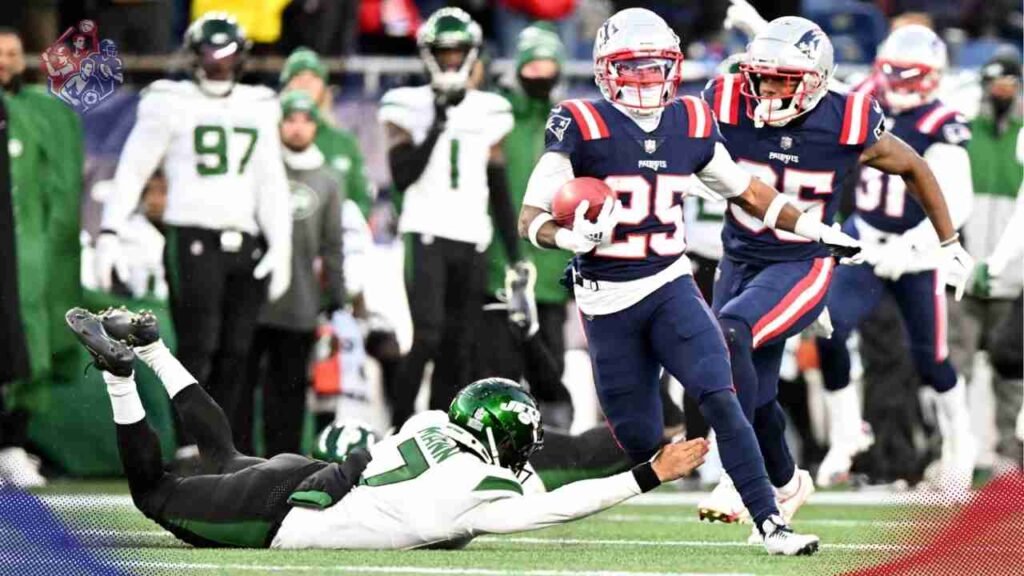
The Patriots demonstrated strong control over game tempo, especially in the second half. Their offense used longer, methodical drives to slow down the pace and reduce pressure on their defense. This helped them maintain stability in the closing stages.
The Jets attempted to increase tempo in search of quick scoring opportunities. While this created urgency and occasional breakthroughs, it also led to shorter drives and increased defensive exposure.
Final Summary and Competitive Balance
Overall, the match remained competitive due to strong defensive performances from both sides. The Patriots showed better efficiency in key situations, particularly in third downs and red zone execution, which gave them a slight advantage.
The Jets delivered a resilient performance with strong defensive pressure and moments of offensive creativity. However, inconsistencies in execution and scoring efficiency ultimately made the difference in a tightly contested AFC East battle.
Conclusion
New England Patriots vs New York Jets Match Player Stats: Full Game Breakdown & Key Performers reflects a classic AFC East defensive battle where small margins decided the outcome. The Patriots showed better control in key moments, stronger game management, and more efficient offensive execution.
The Jets delivered a competitive performance with strong defensive pressure and flashes of offensive potential, but turnovers and inconsistency ultimately made the difference. This matchup once again highlighted the intensity and rivalry between these two teams.
FAQs
Q1: Who won the New England Patriots vs New York Jets match?
The New England Patriots won the match 20-16.
Q2: What was the biggest factor in the game?
Turnovers and defensive performance were the biggest factors.
Q3: Who was the best player in the match?
The Patriots quarterback and defense were standout performers.
Q4: How did the Jets perform offensively?
They showed flashes of strength but struggled with consistency under pressure.
Q5: Why did the Patriots win the game?
They won due to better game management, fewer turnovers, and stronger defensive execution.
VISIT MORE: SPORTSFLOW