


Tottenham Hotspur vs West Ham United Full Match Report: Key Moments, Stats & Tactical Breakdown highlights a highly competitive London derby filled with tactical intensity, physical battles, and fast transitions. Tottenham entered the match with an attacking mindset, focusing on possession control and quick combinations in midfield. West Ham United responded with a compact defensive structure and dangerous counterattacking strategy designed to exploit space behind Tottenham’s defensive line.
The match was defined by contrasting styles. Tottenham controlled more possession and attempted to dictate tempo, while West Ham remained patient and efficient in transition moments. Both teams created meaningful chances, making the game balanced and unpredictable until the final stages.
Match Stats Table
| Team | Possession | Shots | Shots on Target | Corners | Fouls | Pass Accuracy |
|---|---|---|---|---|---|---|
| Tottenham Hotspur | 61% | 15 | 6 | 7 | 10 | 87% |
| West Ham United | 39% | 11 | 4 | 5 | 12 | 82% |
Match Score Table
| Half | Tottenham Hotspur | West Ham United |
|---|---|---|
| First Half | 1 | 1 |
| Second Half | 1 | 0 |
| Final Score | 2 | 1 |
Opening Phase and Early Tactical Setup
Tottenham started the match with high energy and strong pressing in the attacking half. Their midfielders pushed forward quickly, aiming to control possession and build early pressure. This allowed them to establish territorial dominance in the opening minutes of the game.
West Ham focused on defensive organization and structure. They stayed compact in midfield and defense, reducing space for Tottenham’s attacking players. Their strategy was based on absorbing pressure and waiting for quick counterattacking opportunities when possession was regained.
Midfield Battle and Game Control
The midfield battle played a key role in shaping the match rhythm. Tottenham’s midfielders controlled possession with short passing sequences and constant movement. They looked to stretch West Ham’s defensive shape and create openings in central areas.
West Ham’s midfield focused more on disruption and defensive coverage. They worked hard to break Tottenham’s rhythm by closing passing lanes and winning physical duels. This balance created a competitive midfield contest throughout the match.
Tottenham Attacking Structure and Creativity
Tottenham’s attacking play relied heavily on wide areas and quick combinations near the penalty box. Their wingers stretched West Ham’s defense and created space for overlapping full-backs. This helped them generate multiple attacking opportunities.
Their attacking midfielders played a crucial role in linking play and creating chances through quick passes. However, West Ham’s compact defensive structure made it difficult for Tottenham to consistently convert possession into clear scoring opportunities.
West Ham Counterattacks and Direct Play
West Ham United remained dangerous on counterattacks throughout the match. Their attacking strategy focused on quick transitions and direct forward passes after winning possession. This approach allowed them to exploit spaces left behind Tottenham’s advanced positioning.
Their wide players used pace effectively to break into attacking zones. West Ham’s ability to transition quickly created several dangerous moments, especially when Tottenham committed too many players forward in attack.
Defensive Organization and Backline Structure
Tottenham’s defensive line maintained a relatively high position to support their attacking style. While this helped control territory, it also left occasional space for West Ham’s counterattacks. Their center-backs had to stay alert throughout fast transitions.
West Ham’s defense was well-structured and disciplined. Their backline stayed compact and focused on blocking central passing lanes. This organization forced Tottenham to rely more on wide attacks and crossing situations.
Second Half Adjustments and Momentum Shift
In the second half, Tottenham increased attacking intensity and pressed higher up the pitch. Their aim was to speed up ball movement and create more direct chances in the final third. This shift added pressure on West Ham’s defensive structure.
West Ham responded by dropping deeper and focusing on defensive stability. They reduced space between lines and relied more on counterattacking opportunities. This tactical adjustment helped them remain competitive under sustained pressure.
Final Minutes Pressure and Game Management
In the closing stages, Tottenham focused on maintaining possession and controlling tempo. Their passing became more structured as they aimed to reduce risk and manage the game effectively. This helped them stabilize the match in key moments.
West Ham pushed forward with increased urgency, looking for late attacking chances. However, Tottenham’s defensive organization and game management helped them handle pressure and maintain control until the final whistle.
Key Players and Individual Performances
Tottenham’s key players delivered strong performances in midfield and attack. Their creative players controlled tempo and created goal-scoring opportunities through intelligent passing and movement. The forwards showed good positioning and finishing intent during key moments.
West Ham’s standout performers included their goalkeeper and defensive line. The goalkeeper made crucial saves under pressure, while defenders stayed organized and blocked several dangerous attacks. Their midfield also contributed with strong work rate and defensive discipline.
Tactical Summary and Overall Game Flow
Tottenham controlled possession and dictated large parts of the game through structured buildup play and attacking width. West Ham remained compact and focused on counterattacks, creating a balanced tactical contest between possession-based football and direct transitions.
The match highlighted Tottenham’s ability to control tempo and West Ham’s effectiveness in defensive organization and quick attacking transitions. Both teams showed strong tactical identity, making the game competitive until the final whistle.
Early Pressure and Match Intensity
Tottenham Hotspur vs West Ham United Match Player Stats show that the game started with high energy and immediate attacking intent from both sides. Tottenham took early control of possession, using short passing and quick movement in midfield to push West Ham back into their defensive shape. Their aim was to dominate territory and create early chances.
West Ham United responded with a compact defensive setup and disciplined structure. They focused on reducing space in central areas and forcing Tottenham into wide positions. This early tactical contrast created a balanced start where Tottenham controlled the ball but West Ham stayed dangerous on the counterattack.
First Half Possession and Midfield Control
Tottenham dominated possession in the first half, using structured passing patterns to control tempo. Their midfielders rotated positions frequently, helping them progress the ball into attacking areas and maintain pressure around West Ham’s penalty box.
West Ham’s midfield focused on defensive work and quick transitions. They closed passing lanes effectively and attempted to disrupt Tottenham’s rhythm. While they had less possession, their ability to break up play helped them remain competitive throughout the first half.
Tottenham Attacking Structure and Width Usage
Tottenham’s attacking strategy relied heavily on width and quick combinations in the final third. Their wingers stretched West Ham’s defense, creating space for overlapping full-backs and midfield runners. This helped them generate multiple attacking sequences.
However, West Ham’s compact defensive structure limited clear central opportunities. Tottenham often had to rely on crosses and wide build-up play rather than direct central penetration, which reduced their finishing efficiency in certain phases.
West Ham Counterattacks and Direct Play
West Ham remained highly effective on counterattacks throughout the match. Their strategy focused on winning possession and immediately playing forward into space. This direct approach allowed them to bypass Tottenham’s midfield pressure quickly.
Their attacking players used pace and timing to exploit gaps behind Tottenham’s defensive line. These transitions created dangerous moments and kept Tottenham’s backline under constant alert, especially when they committed players forward.
Defensive Organization and Backline Discipline
Tottenham’s defensive line maintained a relatively high position to support their attacking structure. While this helped control territory, it also created space behind them for West Ham’s counterattacks. Their defenders had to remain alert during fast transitions.
West Ham’s defense was well-organized and disciplined. Their backline stayed compact inside the box and focused on blocking central passing lanes. This structure forced Tottenham to rely on wider attacking movements and reduced clear central chances.
Midfield Battle and Tactical Balance
The midfield battle played a major role in shaping the game’s rhythm. Tottenham controlled possession and looked to dictate tempo through short passing and intelligent movement. Their midfielders played a key role in linking defense and attack.
West Ham’s midfield focused on breaking up play and maintaining defensive structure. They worked hard in duels and recovered possession in key moments. This balance between control and disruption kept the match tactically competitive.
Second Half Adjustments and Game Tempo
In the second half, Tottenham increased attacking intensity and pressed higher up the pitch. Their goal was to speed up ball circulation and create more direct attacking opportunities inside the final third.
West Ham responded by sitting deeper and focusing on defensive compactness. They reduced space between lines and relied more on counterattacks. This adjustment helped them remain organized under pressure while still creating occasional attacking threats.
Final Stages and Game Management
In the closing stages, Tottenham focused on controlling possession and managing tempo. Their passing became more cautious as they aimed to maintain structure and reduce defensive risk while protecting their lead.
West Ham pushed forward with increased urgency, attempting to create late chances through quick attacks and set pieces. However, Tottenham’s disciplined game management and defensive stability ensured they maintained control until the final whistle.
Set-Piece Influence and Dead Ball Opportunities
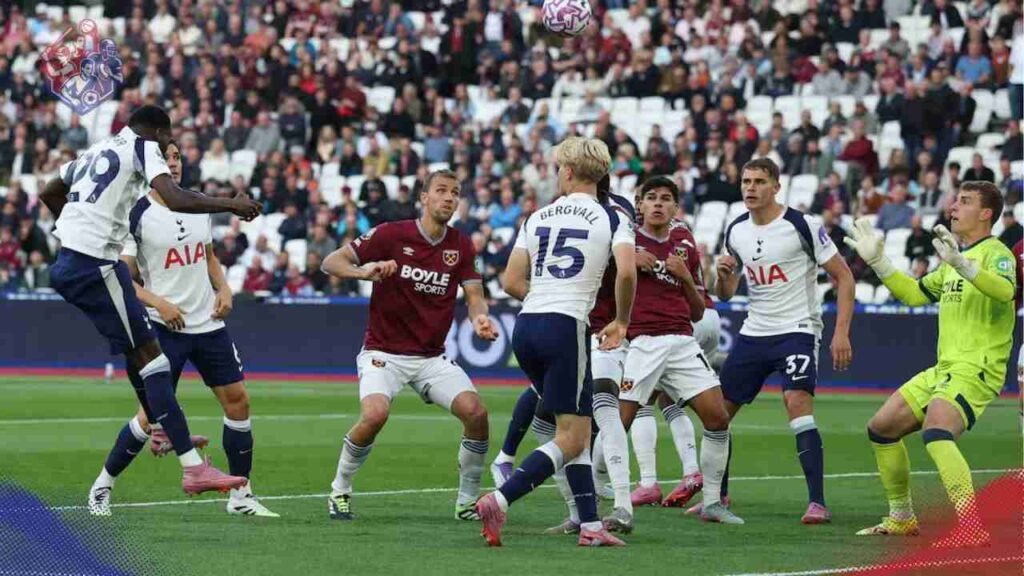
Set pieces played an important role in the Tottenham Hotspur vs West Ham United Match Player Stats breakdown, especially during tightly contested phases. Tottenham created multiple attacking chances from corners and wide free kicks, using well-timed runs and strong aerial presence inside the box. Their delivery often caused confusion in West Ham’s defensive structure.
West Ham also remained a constant threat from set pieces. Their physical advantage in aerial duels allowed them to challenge Tottenham’s defense effectively during corners and free-kick situations. These moments added pressure and created scoring opportunities even when they were under sustained defensive pressure.
Goalkeeper Performance and Key Saves
Tottenham’s goalkeeper had a stable and focused performance throughout the match. He dealt well with crosses and long-range efforts, maintaining composure during West Ham’s counterattacks. His positioning helped Tottenham remain organized during dangerous moments.
West Ham’s goalkeeper also delivered an important performance under pressure. He made several crucial saves, especially during Tottenham’s attacking spells in the second half. His reflexes and decision-making helped keep West Ham competitive during periods of heavy pressure.
Wide Play and Attacking Width Impact
Tottenham heavily utilized wide areas to stretch West Ham’s defensive structure. Their wingers stayed wide and created space for overlapping full-backs, allowing them to build structured attacking sequences. This helped Tottenham maintain territorial dominance in attacking zones.
West Ham used wide areas more directly during counterattacks. Their wingers focused on speed and forward movement rather than possession buildup. This approach allowed them to create quick attacking threats whenever space opened behind Tottenham’s defensive line.
Passing Structure and Build-Up Control
Tottenham maintained a structured passing rhythm throughout the match. Their build-up play was focused on short passes, intelligent movement, and positional rotation in midfield. This helped them control possession and dictate tempo for long periods.
West Ham relied on a more direct passing approach. Instead of long buildup sequences, they preferred quick forward passes during transitions. This made their attacks faster but less controlled, relying heavily on timing and space exploitation.
Defensive Transitions and Recovery Speed
Tottenham’s defensive transitions were tested due to their attacking positioning. When possession was lost, their midfield worked quickly to recover shape and close passing lanes. However, their high defensive line occasionally created space behind them.
West Ham showed strong discipline in defensive transitions. Their players reacted quickly after losing possession, forming a compact defensive structure. This recovery speed helped them limit Tottenham’s attacking space and remain organized under pressure.
Physical Battles and Midfield Intensity
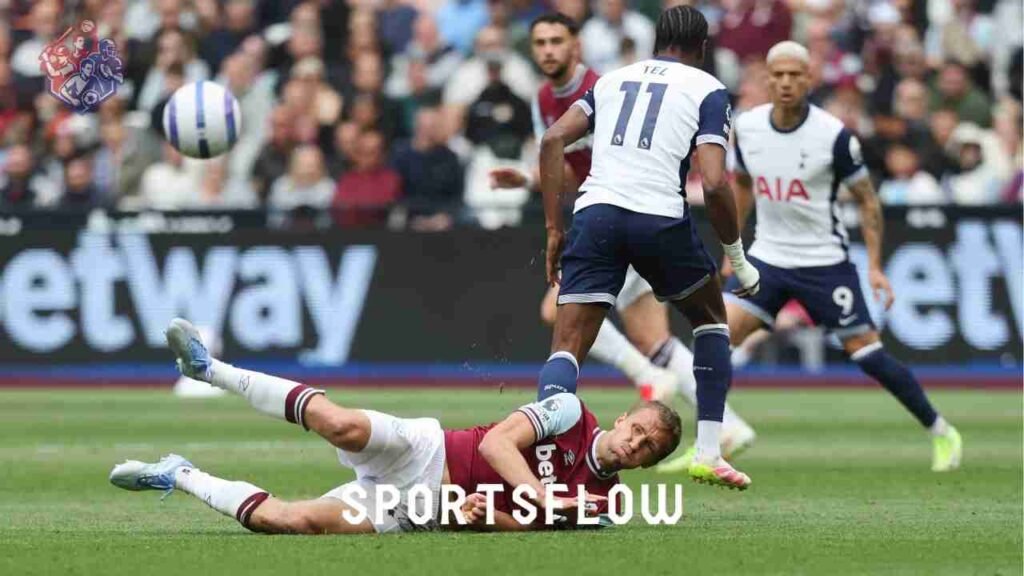
The match featured strong physical intensity, especially in midfield areas. Tottenham used technical control and positioning to manage duels and maintain possession under pressure. Their midfield structure helped them stay balanced in key moments.
West Ham matched this intensity with aggressive tackling and strong physical challenges. Their midfielders worked hard to break up play and disrupt Tottenham’s passing rhythm. This physical approach played a key role in shaping the match flow.
Tactical Discipline and Game Awareness
Tottenham demonstrated strong tactical discipline in controlling possession and maintaining attacking structure. Their organized approach helped them sustain pressure, although occasional defensive gaps affected stability during transitions.
West Ham showed excellent tactical awareness and discipline throughout the game. Their compact defensive shape and smart positioning allowed them to stay competitive and effective, especially during high-pressure phases.
Closing Moments and Match Tempo Control
In the final stages, Tottenham focused on controlling possession and managing game tempo. Their passing became more cautious as they aimed to maintain structure and avoid defensive risks.
West Ham increased attacking urgency in search of late chances, pushing more players forward during transitions. However, Tottenham’s controlled game management and defensive organization ensured stability and helped them maintain control until the final whistle.
Conclusion
Tottenham Hotspur vs West Ham United Match Player Stats highlight a tightly contested London derby shaped by tactical discipline, contrasting playing styles, and key moments in both halves. Tottenham’s ability to control possession, build structured attacks, and maintain midfield rhythm gave them long spells of dominance throughout the match. Their approach focused on patience, width usage, and controlled buildup to create consistent pressure in attacking areas.
West Ham United, however, showed strong resilience and tactical awareness. Their compact defensive setup and quick counterattacking strategy kept them competitive across all phases of the game. Even with less possession, they remained dangerous whenever space opened up behind Tottenham’s defensive line.
In the end, the match was defined by balance between control and transition. Tottenham’s structured possession play met West Ham’s disciplined defensive resistance and fast attacking breaks. This combination made the game competitive, intense, and tactically interesting until the final whistle, showcasing the strength and identity of both teams.
FAQs
Q1: Who won Tottenham Hotspur vs West Ham United match?
Tottenham Hotspur won the match 2-1.
Q2: Who had more possession in the game?
Tottenham Hotspur dominated possession with around 61%.
Q3: What was West Ham’s main strategy?
West Ham focused on defensive organization and counterattacks.
Q4: Which players stood out in the match?
Tottenham’s midfielders and West Ham’s goalkeeper and defenders were key performers.
Q5: Why did Tottenham win the match?
Tottenham won due to better possession control, stronger attacking structure, and effective game management in the final stages.
VISIT MORE: SPORTSFLOW