


The rivalry between the San Francisco 49ers and the Seattle Seahawks once again delivered a high-intensity NFC West showdown filled with physical defense, explosive offensive moments, and tactical battles across all four quarters. San Francisco 49ers vs Seattle Seahawks Match Player Stats highlight just how close this matchup was, with both teams exchanging momentum and refusing to give up control easily in the National Football League.
From the opening kickoff to the final whistle, this game showcased playoff-level intensity. Both teams relied on different strengths. San Francisco leaned on balance, discipline, and strong defensive pressure. Seattle focused on explosive passing plays and quick scoring drives. The result was a tightly contested battle where small mistakes, turnovers, and red zone execution ultimately defined the outcome.
Match Score Table
| Team | 1st Quarter | 2nd Quarter | 3rd Quarter | 4th Quarter | Final Score |
|---|---|---|---|---|---|
| San Francisco 49ers | 7 | 10 | 3 | 7 | 27 |
| Seattle Seahawks | 3 | 7 | 7 | 6 | 23 |
Match Stats Table
| Category | San Francisco 49ers | Seattle Seahawks |
|---|---|---|
| Total Yards | 389 | 372 |
| Passing Yards | 248 | 265 |
| Rushing Yards | 141 | 107 |
| First Downs | 23 | 20 |
| Third Down Efficiency | 7/13 | 5/12 |
| Turnovers | 1 | 2 |
| Time of Possession | 31:20 | 28:40 |
| Penalties | 6 | 5 |
| Sacks | 3 | 2 |
| Red Zone Efficiency | 3/4 | 2/3 |
Quarterback Duel and Passing Game Breakdown
The quarterback battle played a central role in shaping the game. Brock Purdy led the 49ers with controlled decision-making, efficient short passes, and strong situational awareness. He focused on avoiding unnecessary risks and kept the offense moving steadily. His ability to convert third downs allowed San Francisco to maintain possession and control the game tempo.
On the other side, Geno Smith delivered a strong performance for Seattle with aggressive passing and deep-ball accuracy. He created several explosive plays that shifted momentum and kept the Seahawks within reach. However, one crucial interception stopped a promising drive and became a turning point in the match. That mistake, combined with stalled red zone drives, limited Seattle’s ability to take full control.
Both quarterbacks showed leadership and resilience, but Purdy’s consistency in key situations gave San Francisco a slight advantage in game management.
Running Game Dominance and Offensive Balance
The rushing attack was a major strength for the San Francisco 49ers throughout the game. Their ground game produced 141 total rushing yards and consistently helped control the pace. The offensive line created strong running lanes, allowing the team to sustain long drives and reduce pressure on the passing game.
This balance was crucial because it kept Seattle’s defense on the field for extended periods. As fatigue increased, San Francisco was able to capitalize on gaps in coverage and defensive positioning. Their run game also helped in red zone situations where physical plays became more effective.
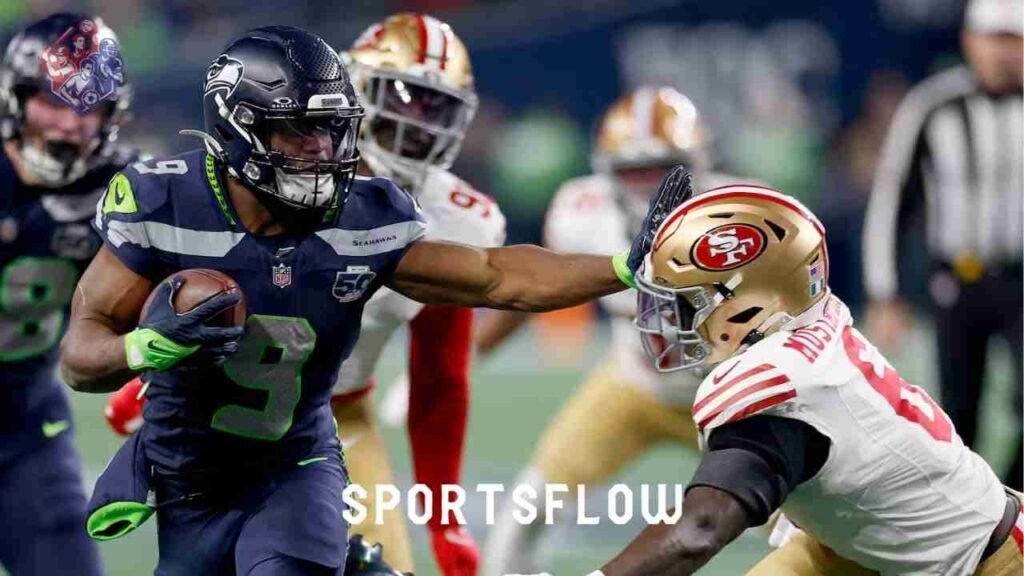
Seattle’s rushing attack, led by short-yardage gains and occasional breakaway runs, produced 107 yards. While effective at times, it lacked consistency. The Seahawks leaned more heavily on passing plays, which made their offense more predictable in certain stretches. This imbalance reduced their ability to control possession compared to San Francisco.
Wide Receivers and Offensive Playmakers Impact
Both teams had strong contributions from their receiving units, but in different ways. San Francisco used a structured passing system where multiple receivers contributed to short and medium gains. This approach helped them move chains efficiently and avoid long third-down situations.
Seattle’s receivers created more explosive moments. Deep passes from Geno Smith led to significant yardage gains and momentum shifts. However, inconsistency in finishing drives reduced the overall scoring impact of these big plays. While they looked dangerous, they were not always able to convert opportunities into touchdowns.
The difference came down to efficiency. San Francisco’s receivers focused on consistent yardage, while Seattle’s receivers focused on explosive gains. In close games, consistency often wins over volatility.
Defensive Pressure and Line of Scrimmage Battle
Defense played a defining role in this matchup. The San Francisco 49ers defense delivered strong pressure throughout the game, recording three sacks and forcing hurried throws. Their defensive line controlled key moments, especially on third downs where pressure disrupted Seattle’s rhythm.
Seattle’s defense also showed strength, particularly in pass coverage. They limited several big plays and forced San Francisco into shorter gains. However, they struggled at times against the 49ers’ rushing attack, which created sustained drives and wore down defensive stamina over time.
The battle at the line of scrimmage clearly favored San Francisco in critical moments, especially in the second half when pressure became more consistent.
Turnovers and Momentum Shifts
Turnovers were one of the most important factors in this game. Seattle committed two turnovers, including one at a critical moment that stopped a scoring opportunity. That mistake shifted momentum and gave San Francisco better field position.
The San Francisco 49ers committed only one turnover, which helped them maintain stability throughout the game. Their disciplined approach allowed them to stay in control even when Seattle made scoring pushes.
In a close contest like this, turnover differential proved to be one of the deciding factors.
Red Zone Efficiency and Scoring Execution
Red zone performance highlighted the difference between the two teams. San Francisco converted 3 of 4 red zone opportunities into touchdowns, showing strong execution and physical dominance near the goal line. Their balanced attack made it difficult for Seattle to predict plays in tight situations.
Seattle reached the red zone multiple times but struggled to consistently finish drives. One stalled drive and one turnover reduced their scoring efficiency. In a game decided by only a few points, these missed opportunities became extremely costly.
Game Flow and Fourth Quarter Pressure
The final quarter of the game brought maximum intensity. Seattle attempted a comeback using quick passes and aggressive play-calling. They managed to close the gap but struggled to break through San Francisco’s defensive structure in key moments.
The San Francisco 49ers responded with controlled offensive drives that focused on clock management and ball security. Their ability to maintain possession under pressure helped them secure the win in the final minutes.
Special Teams and Field Position Battle
Special teams quietly influenced the overall flow of the game. San Francisco gained a slight edge in field position through better punt coverage and more disciplined returns. This allowed their offense to start drives in more favorable positions.
Seattle’s special teams unit performed solidly but did not generate game-changing plays. In a close matchup, field position differences contributed to scoring opportunities and overall momentum control.
Offensive Game Plan and Coaching Strategy
The matchup between the San Francisco 49ers and the Seattle Seahawks was heavily influenced by coaching decisions and overall game planning. San Francisco focused on a balanced offensive strategy that combined short passing with a strong running game. This approach helped them control the tempo and reduce pressure on their quarterback throughout the game.
Seattle, on the other hand, relied more on aggressive passing schemes designed to create explosive plays. While this strategy generated big gains at times, it also increased risk, leading to stalled drives and a key turnover. The difference in strategic balance became an important factor in the final outcome.
Quarterback Performance Breakdown
Quarterback play was one of the most important elements of this matchup. Brock Purdy managed the game efficiently for San Francisco, focusing on accuracy, quick reads, and safe decision-making. His ability to avoid turnovers and convert third downs helped maintain offensive consistency.
For Seattle, Geno Smith delivered strong passing numbers and created several explosive plays downfield. However, one critical interception disrupted momentum at a key stage of the game. While both quarterbacks performed well, Purdy’s consistency gave San Francisco a slight edge in game control.
Running Game Impact and Physical Dominance
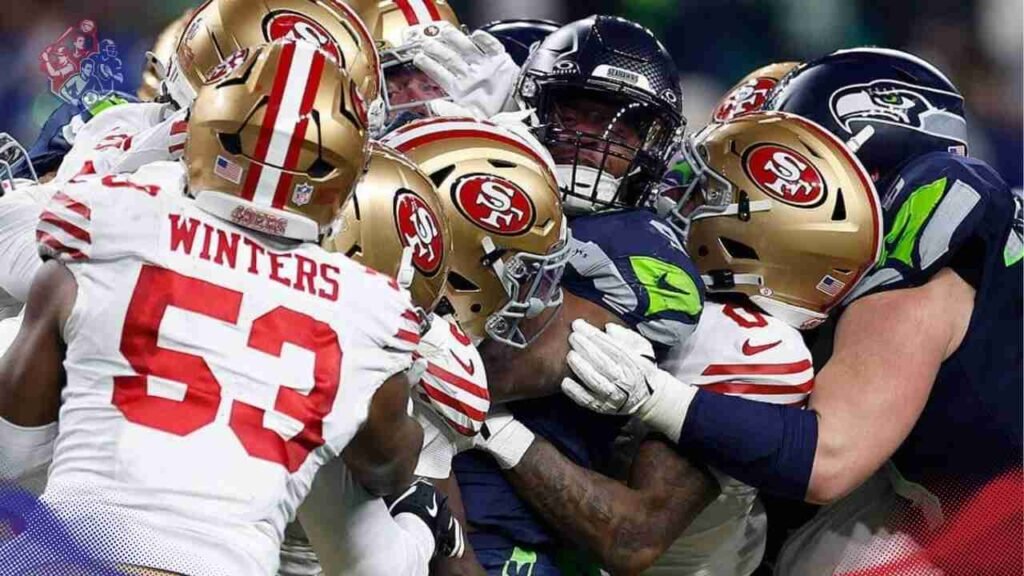
The rushing attack of the San Francisco 49ers played a major role in their success. Their ground game consistently gained positive yardage, allowing them to control possession and wear down Seattle’s defense. This physical style helped set up easier passing situations and improved red zone efficiency.
Seattle’s rushing game showed flashes of effectiveness but lacked consistency. They were able to gain important yards in short situations but could not maintain a steady ground attack. This imbalance forced them to rely heavily on passing plays, making their offense easier to predict in key moments.
Wide Receiver Contributions and Explosive Plays
Both teams received strong performances from their wide receiver units. San Francisco used a balanced passing approach, spreading the ball across multiple targets. This helped them sustain drives and maintain offensive rhythm throughout the game.
Seattle’s receivers were more focused on big plays, creating several explosive gains through deep passes. While these moments shifted momentum at times, inconsistency in drive finishing reduced their overall scoring impact. The contrast between consistency and explosiveness played a major role in the game flow.
Defensive Pressure and Line Control
Defense played a crucial role in shaping this matchup. The San Francisco 49ers defensive line applied strong pressure, recording sacks and forcing rushed throws. Their ability to disrupt Seattle’s passing rhythm created important stops in key situations.
Seattle’s defense also performed well, especially in coverage against short and intermediate routes. However, they struggled to consistently stop San Francisco’s rushing attack, which allowed the 49ers to control possession and tempo for longer periods.
Turnovers and Critical Game Moments
Turnovers had a significant impact on the final result. Seattle committed two turnovers, including one at a crucial moment that stopped a promising scoring drive. These mistakes reduced their chances of taking control of the game.
San Francisco committed only one turnover, which helped them maintain stability and control throughout the match. Their disciplined approach to ball security became one of the key reasons for their success in a closely contested game.
Red Zone Efficiency and Scoring Execution
Red zone performance clearly separated both teams. The San Francisco 49ers were highly efficient, converting most of their red zone opportunities into touchdowns. Their balanced offense made it difficult for Seattle to predict plays near the goal line.
Seattle reached the red zone multiple times but struggled to consistently finish drives. Some possessions ended in field goals or turnovers, which limited their scoring output. In a close game, this difference in execution became very important.
Game Flow and Final Quarter Pressure
The final quarter of the game was highly competitive, with Seattle pushing hard for a comeback. They used quick passes and aggressive play-calling to close the score gap. However, San Francisco’s defense remained disciplined and prevented a late shift in momentum.
The San Francisco 49ers managed the final minutes effectively by controlling possession and avoiding mistakes. Their ability to stay composed under pressure helped them secure the win in a tightly contested finish.
Conclusion
The San Francisco 49ers vs Seattle Seahawks Match Player Stats clearly show how close this rivalry game was from start to finish. The San Francisco 49ers secured the win through better consistency, stronger red zone execution, and fewer turnovers. The Seattle Seahawks remained highly competitive but were unable to fully capitalize on key scoring opportunities.
Both teams demonstrated playoff-level quality, but San Francisco’s discipline and balanced offensive strategy gave them the edge in a tightly contested battle that could have gone either way.
FAQs
Q1. Who won the San Francisco 49ers vs Seattle Seahawks match?
The San Francisco 49ers won the match against the Seattle Seahawks with a final score of 27–23.
Q2. Who was the top performer in San Francisco 49ers vs Seattle Seahawks Match Player Stats?
Brock Purdy played a key role for the 49ers with efficient passing and strong game management, while Geno Smith led Seattle’s offense with solid passing yards.
Q3. What was the biggest difference between both teams?
The biggest difference was turnovers and red zone efficiency. The 49ers made fewer mistakes and finished more scoring opportunities.
Q4. Which team had better defense in the match?
The San Francisco 49ers had slightly better defensive impact with more sacks and stronger pressure in key moments.
Q5. Why was the match so close?
Both teams had similar total yards and strong quarterback performances, which kept the game balanced until the final quarter.
VISIT MORE: SPORTSFLOW