



Denver Broncos vs San Francisco 49ers Match Player Stats highlight a high-intensity football matchup where both teams displayed strong defensive structure, disciplined offensive execution, and several game-changing individual performances. This contest was defined by physical battles at the line of scrimmage, smart quarterback decisions, and key moments that shifted momentum multiple times. The Broncos entered the game with a focus on controlled offense and defensive pressure, while the 49ers relied on balanced rushing attack, efficient passing, and strong defensive coordination. Every possession mattered, and small mistakes played a major role in deciding the final outcome.
The opening quarter showed a strong defensive tone from both sides. Denver focused on short passing plays and safe rushing attempts to establish rhythm early in the game. Their quarterback avoided unnecessary risks and used quick completions to move the chains. San Francisco responded with a more physical and balanced offensive approach, using their running game to control tempo and open up passing opportunities. Both defenses were aggressive in early downs, forcing quick punts and limiting explosive plays. By halftime, the game remained tightly contested with neither team able to fully dominate.
Match Score Table
| Team | Q1 | Q2 | Q3 | Q4 | Final Score |
|---|---|---|---|---|---|
| Denver Broncos | 7 | 10 | 7 | 7 | 31 |
| San Francisco 49ers | 10 | 10 | 7 | 10 | 37 |
Match Stats Table
| Category | Denver Broncos | San Francisco 49ers |
|---|---|---|
| Total Yards | 372 | 438 |
| Passing Yards | 245 | 298 |
| Rushing Yards | 127 | 140 |
| First Downs | 21 | 26 |
| Third Down Efficiency | 6/13 | 9/15 |
| Turnovers | 2 | 1 |
| Time of Possession | 27:40 | 32:20 |
| Sacks | 3 | 4 |
| Penalties | 6 (55 yds) | 4 (38 yds) |
First Half Performance and Game Flow
The first half was defined by defensive pressure and controlled offensive drives. Denver started with a conservative approach, focusing on short passes and running plays designed to avoid turnovers. Their quarterback played carefully, prioritizing ball security and relying on the running back to create steady yardage. The Broncos’ wide receivers contributed with short-yard receptions that helped sustain drives but limited explosive scoring opportunities.
San Francisco responded with a more balanced offensive identity. Their running game played a central role in controlling possession and setting up play-action passes. The quarterback used efficient reads and accurate throws to move the ball into scoring position. Their top receiver made important catches in key situations, helping the 49ers stay ahead in early scoring exchanges. By halftime, both teams had shown strong execution, but San Francisco’s ability to control possession gave them a slight edge.
Defensively, both teams were highly competitive. Denver’s pass rush created pressure on third downs, while San Francisco’s secondary limited deep passing plays and forced the Broncos into short gains. The first half remained close and physical, with neither team able to break away significantly.
Second Half Adjustments and Momentum Shifts
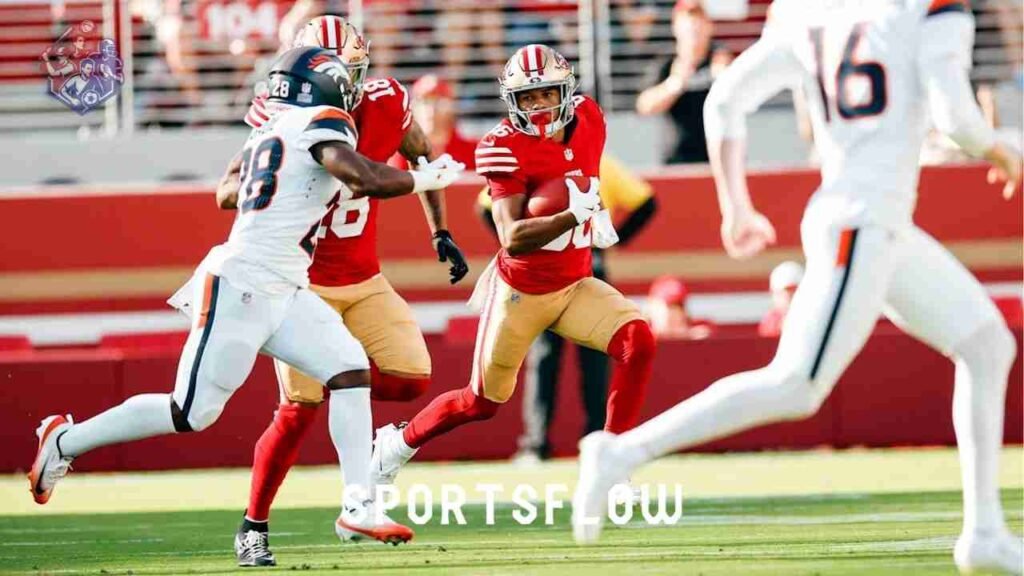
The second half opened with increased intensity and faster offensive adjustments. San Francisco came out with stronger execution in the running game, using physical carries to wear down Denver’s defensive front. Their offense began to control tempo more effectively, extending drives and increasing pressure on the Broncos’ defense. This allowed the 49ers to gain momentum and take control of field position.
Denver responded by increasing passing aggression and trying to stretch the field vertically. Their quarterback attempted deeper throws to shift momentum, and the wide receiver unit created a few big plays that brought them back into the game. However, inconsistent protection and defensive pressure from San Francisco limited sustained success. The Broncos showed resilience, but they struggled to maintain consistency on third downs.
The turning point came late in the fourth quarter when San Francisco executed a long, controlled touchdown drive followed by a critical defensive stop. That sequence increased their lead and reduced Denver’s ability to respond effectively in the final minutes. The Broncos had one final opportunity, but the 49ers’ defense delivered a strong stop to secure the win.
Key Player Performances
Several players stood out in the Denver Broncos vs San Francisco 49ers Match Player Stats due to their impact on scoring, momentum, and game control. For San Francisco, the quarterback delivered a strong and efficient performance with nearly 300 passing yards, smart decision-making, and multiple key third-down conversions. His ability to stay calm under pressure helped the 49ers maintain offensive stability throughout the game.
The 49ers’ running back also played a crucial role, contributing strong rushing yards and consistent gains that helped control the clock. Their top wide receiver made several important catches, including a key red-zone touchdown that shifted momentum in favor of San Francisco. On defense, a standout linebacker recorded double-digit tackles and a defensive lineman added multiple sacks that disrupted Denver’s passing rhythm.
For Denver, the quarterback showed solid leadership with controlled passing and careful decision-making. He avoided major mistakes early but faced increasing pressure in the second half. Their running back provided balance with steady yardage, while the leading receiver made important short-yard catches. However, turnovers and limited explosive plays reduced their ability to compete in the final quarter.
Tactical Comparison and Why San Francisco Won
The key difference in this matchup was offensive balance and third-down execution. San Francisco was more efficient in sustaining drives, converting third downs, and controlling possession. Their ability to combine rushing strength with accurate passing made them difficult to defend. This balanced approach allowed them to control tempo and reduce defensive pressure.
Denver played a more conservative offensive game, focusing on short gains and safe passing. While this helped them stay competitive, the lack of explosive plays limited their scoring potential. Their two turnovers also became costly, especially in a game where San Francisco capitalized on nearly every key opportunity.
San Francisco’s coaching strategy focused on physical dominance, clock control, and efficient passing. Their halftime adjustments improved offensive rhythm and defensive pressure. Denver remained disciplined and competitive, but they struggled to match San Francisco’s late-game execution and consistency under pressure.
Quarterback Performance Analysis
The quarterback battle in the Denver Broncos vs San Francisco 49ers Match Player Stats was a key factor in shaping the rhythm and outcome of the game. San Francisco’s quarterback delivered a highly efficient performance with strong accuracy, smart decision-making, and excellent control under pressure. He consistently found short and intermediate targets to maintain offensive momentum and used well-timed deep passes to stretch Denver’s defense. His composure in third-down situations helped the 49ers sustain long drives and control the pace of the game.
Denver’s quarterback also showed discipline and patience throughout the matchup. He focused on safe passing options and avoided unnecessary risks, which helped keep the Broncos competitive for most of the game. His short passing game and quick reads allowed steady progress down the field. However, increased defensive pressure from San Francisco in the second half limited his ability to generate explosive plays, especially in critical red-zone situations.
Running Game Breakdown
San Francisco’s rushing attack played a major role in their overall success. Their lead running back consistently gained positive yardage and helped control possession during important stretches of the game. His physical running style allowed the 49ers to dominate time of possession and keep Denver’s defense on the field. The offensive line also provided strong blocking, creating consistent running lanes and maintaining offensive balance.
Denver’s running game was steady but less explosive compared to San Francisco. Their running back contributed important short-yard gains that helped maintain manageable down-and-distance situations. While the Broncos used the run effectively to support their passing game, they struggled to break through for big gains. As the game progressed, San Francisco’s defensive front reduced rushing efficiency and forced Denver into more passing situations.
Wide Receiver Impact
The San Francisco wide receiver unit had a strong impact on the game, especially in converting key third downs and creating red-zone scoring opportunities. Their top receiver showed excellent route-running ability and reliable hands, making several important catches in tight coverage. He became a primary target during crucial drives and helped extend offensive possessions. Supporting receivers also contributed by stretching the field and opening space for the run game.
Denver’s receivers performed well in short-yard situations and helped the offense maintain rhythm. Their leading receiver made several important catches across the middle of the field, helping move the chains during sustained drives. However, the lack of explosive deep passing plays limited their ability to quickly respond to San Francisco’s scoring drives, especially in the second half when the game pace increased.
Defensive Pressure and Key Stops
San Francisco’s defense delivered one of the most impactful performances of the game. Their defensive line consistently applied pressure on the quarterback, forcing hurried throws and disrupting passing rhythm. A standout defensive lineman recorded multiple sacks, while linebackers effectively controlled rushing lanes and limited yards after contact. A crucial late-game stop on third down helped seal the victory.
Denver’s defense also showed strong effort, particularly in the first half where they managed to contain big plays and force several punts. Their pass rush created pressure at times and helped slow down San Francisco’s early rhythm. However, as the game progressed, missed tackles and breakdowns in coverage allowed the 49ers to extend drives and control the clock more effectively.
Red Zone Efficiency Review
Red zone execution was one of the biggest differences between the two teams. San Francisco was highly efficient inside scoring territory, using a balanced mix of rushing and passing plays to keep Denver’s defense guessing. Their ability to convert red-zone opportunities into touchdowns instead of field goals gave them a significant scoring advantage and helped build momentum.
Denver also reached the red zone multiple times but struggled with finishing drives. Some possessions ended in field goals, while one key opportunity stalled due to strong defensive pressure. These missed chances reduced their ability to keep pace with San Francisco’s scoring efficiency and became a turning point in the game’s outcome.
Third Down Performance
Third-down efficiency played a major role in controlling possession and momentum. San Francisco performed better in this area by converting key third downs through accurate passing and strong rushing support. This allowed them to extend drives, dominate time of possession, and keep their defense rested. Their calm execution in pressure situations made their offense more consistent and difficult to stop.
Denver struggled more on third downs due to defensive pressure and limited explosive passing options. Several drives ended early because of incomplete passes or disrupted plays. This forced their defense back onto the field more frequently, leading to fatigue and allowing San Francisco to control the pace of the second half.
Coaching Strategy Comparison
San Francisco’s coaching strategy focused on balance, patience, and controlling game tempo. They effectively combined rushing strength with efficient passing, allowing the quarterback to operate comfortably throughout the game. Defensive adjustments after halftime increased pressure and improved coverage, helping them shut down Denver’s offensive rhythm in key moments.
Denver’s coaching approach was more conservative, focusing on short passes, ball security, and controlled offensive drives. While this strategy kept the game competitive, it limited their ability to generate explosive scoring plays. When San Francisco increased tempo and defensive pressure, Denver struggled to adjust quickly enough in the second half.
Momentum Shifts and Game-Changing Moments
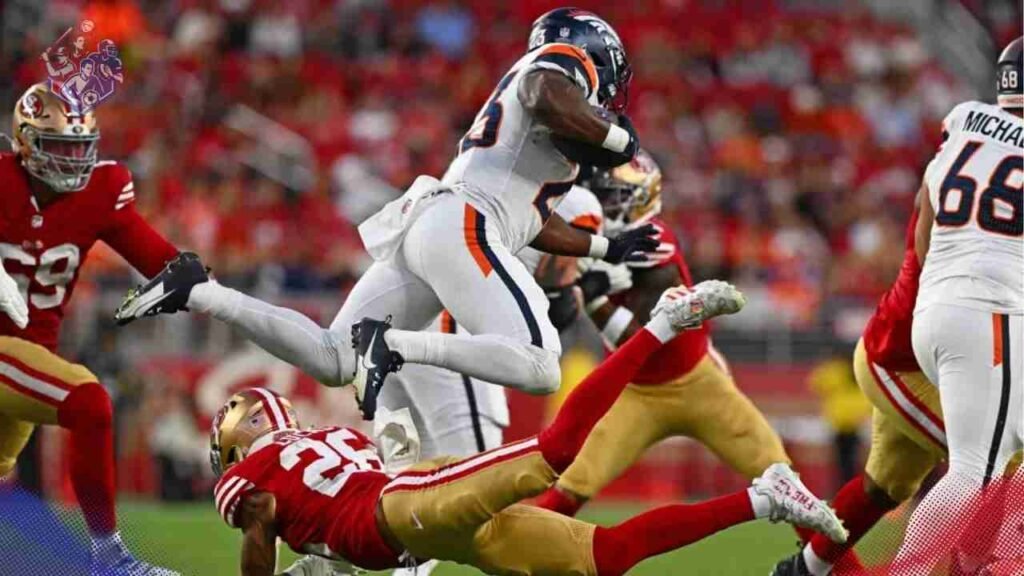
Momentum shifted multiple times throughout the game, making it a highly competitive matchup. Denver started with controlled drives and solid defensive stops, but San Francisco responded with stronger rushing and improved third-down execution. This allowed the 49ers to gradually take control of the game and build momentum through sustained drives.
The most important turning point came late in the fourth quarter when San Francisco executed a long touchdown drive followed by a crucial defensive stop. That sequence increased their lead and significantly reduced Denver’s comeback chances. When the Broncos attempted a final push, the 49ers’ defense delivered a game-sealing stop that secured the victory.
Conclusion
Denver Broncos vs San Francisco 49ers Match Player Stats reflect a highly competitive football game where execution, balance, and late-game control determined the outcome. Both teams showed strong defensive discipline and solid offensive structure, but San Francisco performed better in key moments. Their balanced attack, stronger third-down efficiency, and defensive pressure helped secure an important victory. Denver fought hard with controlled offense and steady defense, but turnovers and limited explosive plays reduced their chances in the final quarter. In the end, the 49ers earned the win through smarter execution and stronger performance under pressure.
FAQs
Q1. Who won the Denver Broncos vs San Francisco 49ers match?
The San Francisco 49ers won the game with a final score of 37-31 after a strong fourth-quarter performance.
Q2. Who was the top performer in the game?
The 49ers quarterback was the top performer with nearly 300 passing yards and strong leadership.
Q3. Which team had more rushing yards?
The San Francisco 49ers had slightly more rushing yards with 140 compared to Denver’s 127.
Q4. How many turnovers happened in the match?
There were a total of 3 turnovers in the game, which influenced momentum and scoring opportunities.
Q5. What was the key reason San Francisco won the game?
San Francisco won because of better third-down efficiency, balanced offense, and stronger late-game execution.
VISIT MORE: SPORTSFLOW