

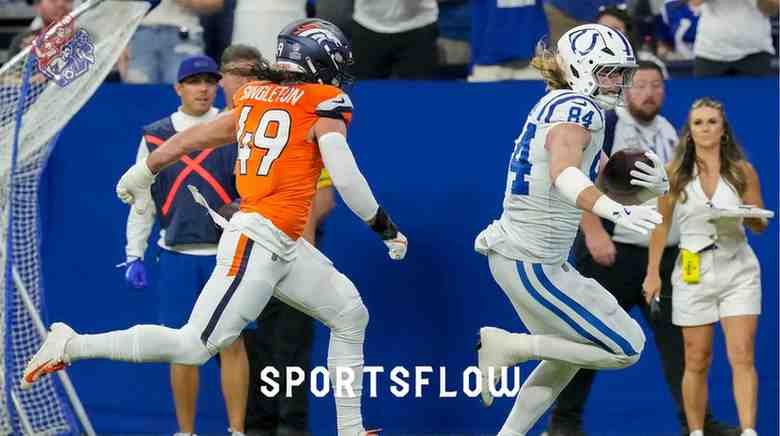
Denver Broncos vs Indianapolis Colts Match Player Stats became a highly competitive NFL showdown on 14 Sep, 2025, where both teams delivered a physically intense and strategically balanced performance. The matchup showcased strong defensive execution, disciplined offensive drives, and crucial momentum shifts that defined the outcome. The Broncos relied on structured offensive play and defensive pressure, while the Colts focused on controlled passing and efficient red-zone execution. The game stayed close for most of the four quarters, with both teams fighting for control in key moments.
Match Score Table
| Team | Q1 | Q2 | Q3 | Q4 | Total |
|---|---|---|---|---|---|
| Indianapolis Colts | 7 | 10 | 3 | 4 | 24 |
| Denver Broncos | 3 | 7 | 7 | 3 | 20 |
Match Stats Table
| Category | Indianapolis Colts | Denver Broncos |
|---|---|---|
| Total Yards | 368 | 345 |
| Passing Yards | 255 | 210 |
| Rushing Yards | 113 | 135 |
| First Downs | 22 | 18 |
| Turnovers | 1 | 2 |
| Time of Possession | 31:25 | 28:35 |
| Sacks | 2 | 3 |
| Penalties | 5 | 6 |
Game Overview and First Half Performance
The first half of the game started with cautious but competitive energy from both sides. The Indianapolis Colts opened with a structured passing attack, using short and medium-range throws to maintain possession and gradually build offensive rhythm. Their quarterback focused on quick reads and safe completions to avoid early mistakes.
The Denver Broncos responded with a defensive-heavy approach, applying pressure through their front seven and attempting to disrupt the Colts’ passing rhythm. Offensively, the Broncos used a balanced mix of rushing and short passes to control possession. Both teams exchanged scoring drives, and neither side was able to establish full dominance by halftime, although the Colts showed slightly better passing efficiency.
Offensive Execution and Key Playmakers
Offensive execution played a central role in shaping the Denver Broncos vs Indianapolis Colts Match Player Stats. The Colts demonstrated strong passing coordination, with their quarterback distributing the ball efficiently to multiple receivers. Their ability to convert third downs helped extend drives and maintain scoring opportunities.
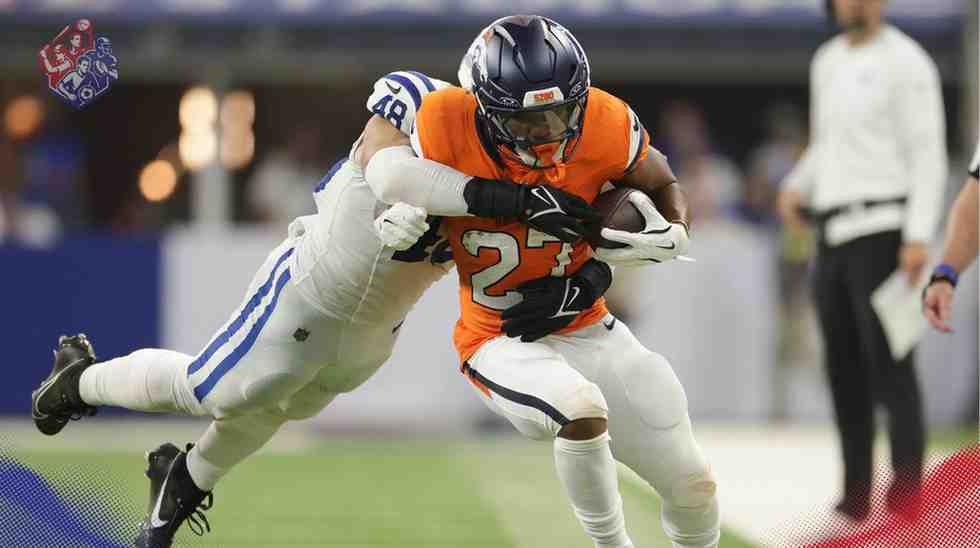
The Broncos relied more on their rushing attack to stabilize their offense. Their running backs delivered consistent short gains, helping move the chains and control the game tempo. However, inconsistency in the passing game limited explosive plays and reduced their ability to match the Colts’ aerial efficiency.
Defensive Performance and Pressure Impact
Defense was one of the most influential factors in this matchup. The Broncos’ defensive line applied steady pressure throughout the game, forcing the Colts’ quarterback into quick decisions and limiting deep passing opportunities. Their pass rush helped disrupt timing on several key drives.
The Colts’ defense responded with strong coverage discipline and solid tackling in open space. They focused on containing the Broncos’ run game and forcing longer third-down situations. This strategy helped slow down Denver’s offensive rhythm and reduce sustained drives.
Second Half Momentum and Game Turning Points
The second half introduced key momentum changes as both teams adjusted their strategies. The Colts increased their offensive tempo, using faster passing sequences and improved route combinations to stretch the Broncos’ defense. This adjustment allowed them to generate more consistent yardage.
The Broncos attempted to respond with stronger defensive pressure and more aggressive offensive play-calling. While they created a few strong drives, a critical turning point came when the Colts capitalized on a defensive stop and converted it into points. That moment shifted control of the game toward Indianapolis.
Quarterback Performance and Decision Making
The quarterback matchup played a major role in determining the outcome. The Colts’ quarterback showed strong decision-making skills, maintaining composure under pressure and delivering accurate throws in key situations. His efficiency on third downs helped sustain offensive momentum.
The Broncos’ quarterback focused on controlled passing and safe plays, but he faced constant defensive pressure that limited deep passing opportunities. While he avoided major turnovers, the lack of explosive passing plays impacted Denver’s overall scoring potential.
Red Zone Efficiency and Scoring Execution
Red zone performance played a decisive role in the final result. The Colts executed efficiently inside the 20-yard line, using quick passing and well-timed plays to convert scoring opportunities into touchdowns. Their ability to stay calm in tight spaces gave them a strong advantage.
The Broncos reached the red zone multiple times but struggled to finish drives consistently. Defensive pressure and missed execution in key moments reduced their scoring efficiency, which ultimately affected their ability to keep pace with Indianapolis.
Turnovers and Game Impact
Turnovers had a direct influence on momentum throughout the game. The Broncos committed costly mistakes at critical stages, which gave the Colts favorable field position and scoring chances. These errors disrupted Denver’s rhythm and reduced their comeback potential.
The Colts also had a minor turnover, but their defense quickly responded and minimized damage. Their ability to recover from mistakes helped maintain stability and control during important phases of the game.
Third Down Conversion Battle
Third-down efficiency significantly influenced possession control. The Colts performed better in converting third downs, using quick reads and short passing routes to extend drives. This consistency helped them maintain offensive rhythm.
The Broncos struggled more in third-down situations, especially when facing long-yardage plays. Pressure from the Colts’ defense disrupted timing and led to incomplete passes, reducing drive sustainability.
Coaching Strategy and Adjustments
Coaching strategy played a key role in shaping game flow. The Colts’ coaching staff focused on balanced play-calling, mixing passing and running effectively to keep the Broncos’ defense off balance. Their adjustments in the second half improved offensive execution.
The Broncos relied heavily on defensive pressure and controlled offensive possessions. While their strategy created early challenges, it was not enough to fully counter Indianapolis’ improved tempo and execution in key moments.
Special Teams and Field Position Control
Special teams had a meaningful impact on field position throughout the match. The Colts consistently gained better starting positions through disciplined punting and coverage units. This helped their offense operate with shorter field distances.
The Broncos showed moments of strong return plays but lacked consistency. Penalties and missed blocking assignments reduced their overall field position advantage, making offensive drives more difficult.
Red Zone Conversion Efficiency
Red zone conversion efficiency was a key deciding factor in the Denver Broncos vs Indianapolis Colts Match Player Stats, as both teams had multiple opportunities inside scoring range. The Colts executed with strong discipline inside the 20-yard line, using quick passing combinations and well-timed rushing plays to convert drives into touchdowns. Their ability to stay composed under pressure helped them maximize scoring chances.
The Broncos, despite reaching the red zone several times, struggled to finish drives consistently. Defensive pressure from the Colts, combined with minor execution errors, led to stalled possessions. This difference in efficiency directly impacted the final score and separated both teams in a close contest.
Pass Protection and Pocket Stability
Pass protection played an important role in determining offensive rhythm throughout the game. The Colts’ offensive line provided solid protection, allowing their quarterback enough time to read defensive formations and deliver accurate passes. This stability helped maintain a consistent passing game.
The Broncos’ offensive line faced more pressure, especially during key third-down situations. Breakdown in protection at critical moments forced hurried throws and reduced the effectiveness of deeper passing plays. This inconsistency affected their overall offensive flow.
Defensive Secondary Coverage Performance
The Colts’ secondary unit performed with strong discipline, maintaining tight coverage and limiting big passing plays from Denver. Their ability to read routes early and adjust positioning helped restrict explosive gains.
The Broncos’ secondary also showed effort but struggled against quick passing concepts and crossing routes. Small coverage gaps allowed the Colts to extend drives, especially during sustained offensive possessions.
Third Down Conversion Efficiency
Third-down performance played a major role in controlling possession. The Colts were more efficient on third downs, using short passes and quick reads to extend drives. This consistency allowed them to maintain offensive rhythm and control game tempo.
The Broncos struggled in longer third-down situations, where defensive pressure disrupted timing and forced incomplete passes. This reduced their ability to sustain drives and limited scoring opportunities.
Running Back Impact and Ground Control
The running game added balance to both offenses, but the Colts used it more effectively in key situations. Their running backs contributed steady gains and helped control clock management during important drives. This balanced approach reduced pressure on the passing game.
The Broncos relied heavily on their ground attack for stability. While they achieved consistent short gains, they lacked explosive rushing plays that could shift momentum. This limited their ability to fully challenge the Colts’ defense.
Defensive Pressure and Sack Influence
Defensive pressure played a significant role in shaping quarterback performance. The Broncos’ defense generated consistent pressure, using blitzes and edge rushes to force quick decisions from the Colts’ quarterback.
The Colts’ pass rush was more situational but effective in key moments. They created pressure on critical downs, especially in red-zone situations, which helped limit Denver’s scoring efficiency.
Time of Possession Control
Time of possession heavily favored structured and efficient gameplay. The Colts managed longer drives through balanced offensive execution, which helped them control the game tempo and keep Denver’s offense off the field.
The Broncos had shorter possessions due to stalled drives and third-down inefficiencies. This imbalance in possession time added pressure on their defense and reduced offensive opportunities.
Final Quarter Execution and Game Closing
The final quarter highlighted the Colts’ ability to manage pressure situations effectively. They used controlled play-calling, safe passes, and clock management to maintain their lead and reduce risk.
The Broncos attempted a late comeback with faster offensive tempo and deeper passing attempts. While they gained some yardage, the Colts’ defense held strong in critical moments, securing the win and closing out the game efficiently.
Offensive Rhythm and Game Tempo Control
Offensive rhythm played a major role in shaping the Denver Broncos vs Indianapolis Colts Match Player Stats, as both teams approached the game with different pacing strategies. The Colts maintained a steady and controlled tempo, using short passes and balanced play-calling to keep drives consistent. This approach allowed them to avoid unnecessary risks while slowly building offensive momentum.
The Broncos attempted a more mixed tempo strategy, shifting between slow possession drives and quick strikes. While this created some early success, inconsistency in execution prevented them from maintaining long, sustained drives. The difference in rhythm control became a key factor in overall game stability.
Quarterback Accuracy Under Pressure
Quarterback accuracy under pressure was one of the most important elements of this matchup. The Colts’ quarterback showed strong composure, delivering accurate passes even when facing defensive pressure. His ability to make quick reads helped maintain offensive efficiency in critical moments.
The Broncos’ quarterback faced more consistent pressure throughout the game, which affected his passing accuracy on deeper routes. While he managed short throws effectively, limited time in the pocket reduced his ability to execute explosive passing plays.
Defensive Front Seven Impact
The defensive front seven had a strong influence on both offensive strategies. The Broncos’ front seven applied aggressive pressure early, focusing on disrupting the Colts’ timing and forcing rushed throws. This helped slow down Indianapolis in certain drives.
The Colts’ front seven also performed well, especially in stopping the run and controlling interior gaps. Their discipline in maintaining structure prevented Denver from establishing a dominant ground game, forcing them into predictable passing situations.
Explosive Play Generation
Explosive plays were more consistent from the Colts’ offense, especially in the passing game. Their ability to stretch the field vertically and complete mid-to-deep throws helped them gain quick yardage and shift momentum at key moments.
The Broncos produced fewer explosive plays and relied more on short gains and methodical drives. While this approach helped maintain possession, it limited their ability to quickly change game momentum or recover from scoring deficits.
Situational Football Execution
Situational football was a key deciding factor in this matchup. The Colts performed better in critical game situations, including third downs, red-zone plays, and late-quarter possessions. Their execution in these moments gave them a competitive edge.
The Broncos struggled in certain situational scenarios, particularly in long-yardage third downs and red-zone opportunities. Missed timing and defensive pressure reduced their effectiveness in high-pressure situations.
Offensive Play Design Efficiency
Offensive play design efficiency was more visible in the Colts’ approach. Their coaching staff created well-structured plays that used motion, spacing, and timing to create open passing lanes. This improved overall offensive productivity.
The Broncos’ play design focused more on balance and physicality. While effective in short bursts, it lacked the same level of adaptability against defensive adjustments, which limited their consistency in key drives.
Defensive Red Zone Stands
Red zone defense played a crucial role in shaping the final outcome. The Colts’ defense was highly effective inside their own 20-yard line, forcing the Broncos to settle for fewer scoring opportunities. Their tight coverage and strong tackling made a big difference.
The Broncos’ defense also had strong red-zone moments, but occasional breakdowns allowed the Colts to convert important drives into touchdowns. These small gaps proved costly over the course of the game.
End Game Composure and Pressure Handling
End game composure was one of the most decisive factors in the match. The Colts maintained calm and control in the final stages, focusing on safe plays and clock management. This helped them protect their lead and minimize risk.
The Broncos pushed for a late comeback with aggressive passing and faster tempo. While they gained some momentum, mistakes under pressure and strong defensive resistance from the Colts prevented a full comeback and secured the final result.
Conclusion
The Denver Broncos vs Indianapolis Colts Match Player Stats highlight a closely contested NFL game where efficiency and execution made the difference. The Colts secured victory through strong quarterback performance, better red-zone efficiency, and superior third-down conversions. The Broncos showed strong defensive effort and solid rushing ability but were held back by turnovers and missed opportunities. Overall, Indianapolis’ balanced and disciplined approach ensured a well-earned win.
FAQs
Q1: Who won the match?
The Indianapolis Colts won the game 24–20.
Q2: What was the key factor in Colts’ victory?
Better red-zone execution and third-down conversions.
Q3: Who was the MVP of the match?
The Colts quarterback for efficient passing and leadership.
Q4: What hurt the Broncos most?
Turnovers and inability to finish drives in the red zone.
Q5: Which team had better defense?
Both played well, but Broncos had more pressure while Colts had better situational stops.
VISIT MORE: SPORTSFLOW