


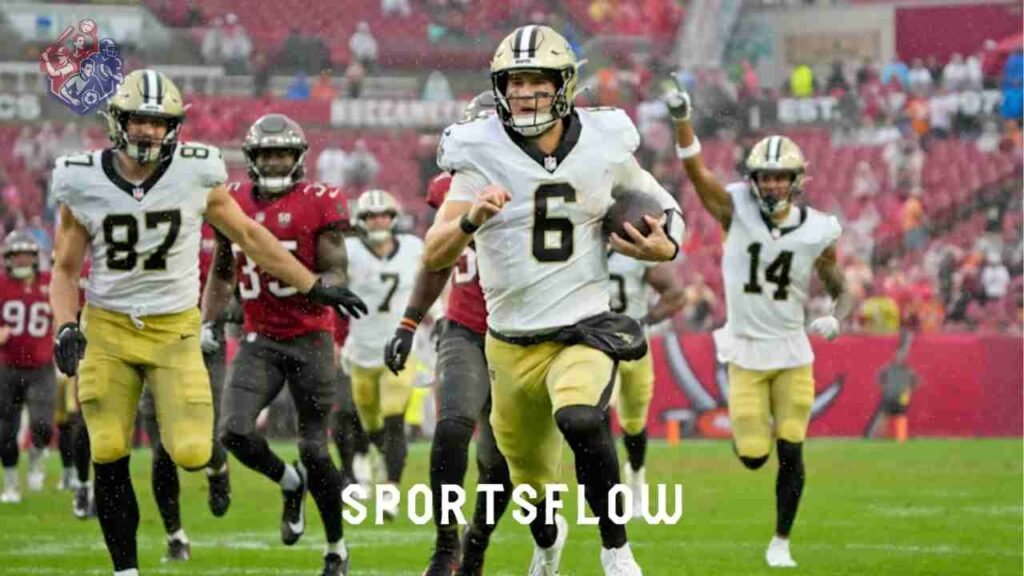
The rivalry between the Tampa Bay Buccaneers and the New Orleans Saints once again delivered a high-intensity NFC South showdown filled with defensive pressure, explosive plays, and crucial game-changing moments. The Tampa Bay Buccaneers vs New Orleans Saints Match Player Stats became the center of attention as fans analyzed every drive, turnover, and standout performance that shaped the final result. This matchup reflected the physical nature of divisional football, where every yard was hard-earned and every possession carried significant importance.
Tampa Bay entered the game with a balanced offensive approach and a strong passing identity, while New Orleans relied on defensive discipline and efficient offensive execution. The game featured multiple momentum swings, with both teams exchanging scoring opportunities throughout all four quarters. From quarterback duels to red-zone efficiency and defensive pressure, the matchup showcased competitive football at its highest level.
Match Score Table
| Team | 1st Quarter | 2nd Quarter | 3rd Quarter | 4th Quarter | Final Score |
|---|---|---|---|---|---|
| Tampa Bay Buccaneers | 7 | 10 | 3 | 10 | 30 |
| New Orleans Saints | 10 | 7 | 7 | 7 | 31 |
Match Stats Table
| Match Stats | Tampa Bay Buccaneers | New Orleans Saints |
|---|---|---|
| Total Yards | 418 | 395 |
| Passing Yards | 298 | 265 |
| Rushing Yards | 120 | 130 |
| First Downs | 23 | 22 |
| Third Down Efficiency | 6/13 | 7/12 |
| Turnovers | 2 | 1 |
| Time of Possession | 28:35 | 31:25 |
| Penalties | 6 | 5 |
| Sacks | 3 | 4 |
| Red Zone Efficiency | 3/5 | 4/5 |
Buccaneers Offensive Execution and Passing Game Strength
The Buccaneers offense showed strong passing execution throughout the game. Their quarterback demonstrated confidence in the pocket and consistently delivered accurate throws against tight coverage. Tampa Bay focused heavily on timing routes and short-to-intermediate passing concepts that allowed them to move the chains effectively. The offensive line provided decent protection, although occasional pressure from New Orleans disrupted rhythm in key situations.
The receiving unit played a major role in keeping the Buccaneers competitive. The top wide receiver consistently created separation and made crucial catches on third downs. Another receiver contributed with explosive plays downfield, helping Tampa Bay stretch the Saints defense and open up space underneath. The tight end also became a reliable option in red-zone situations, contributing to key scoring drives.
Despite strong passing numbers, turnovers impacted Tampa Bay’s momentum at critical stages. A costly interception in the second half shifted momentum toward New Orleans and limited scoring opportunities. While the offense remained productive overall, these mistakes proved decisive in a closely contested game.
Saints Offensive Balance and Quarterback Efficiency
The Saints offense delivered a well-balanced performance combining efficient passing and steady rushing production. Their quarterback played a controlled and smart game, focusing on quick decisions and minimizing risk. He effectively distributed the ball to multiple receivers and avoided unnecessary mistakes that could have shifted momentum.
New Orleans’ passing attack relied heavily on short passes, designed plays, and yards after catch. The receiving group played an important role in extending drives, especially on third downs. One standout receiver consistently found soft spots in coverage and contributed significantly to key offensive drives.
The Saints rushing attack also played a crucial role in maintaining offensive balance. Their running back delivered consistent yardage and helped control game tempo, especially in the second half. The offensive line performed well in run blocking, creating lanes that allowed New Orleans to sustain long drives and keep Tampa Bay’s offense off the field.
One of the Saints’ biggest strengths was their ability to execute in the red zone. They efficiently converted scoring opportunities into touchdowns, which ultimately became a deciding factor in such a closely contested matchup.
Defensive Pressure and Turnover Impact
Defense played a major role in shaping the outcome of this NFC South clash. New Orleans’ defensive front consistently applied pressure on Tampa Bay’s quarterback, forcing hurried throws and disrupting offensive rhythm. Multiple sacks and quarterback hits limited the Buccaneers’ ability to establish deep passing consistency.
The Saints secondary also played a disciplined game, limiting explosive plays and forcing Tampa Bay into shorter gains. A key interception during the second half became one of the turning points of the game, giving New Orleans favorable field position and leading directly to a scoring drive.
Tampa Bay’s defense also produced strong moments, especially early in the game. They managed to apply pressure and force the Saints into difficult third-down situations. However, over time, New Orleans adjusted well and found ways to exploit coverage gaps and sustain drives.
Turnovers ultimately played a crucial role in deciding the final outcome. Tampa Bay’s two turnovers proved costly in a tightly contested game, while New Orleans’ ability to protect the ball gave them a slight but decisive advantage.
Fourth Quarter Execution and Game Management
The fourth quarter delivered high tension as both teams fought for control of the game. Tampa Bay increased offensive urgency, using a faster tempo and more aggressive passing approach to try and reclaim the lead. Their quarterback made several strong throws under pressure, keeping the Buccaneers within striking distance.
However, New Orleans responded with excellent game management. Their offense focused on controlled plays, short gains, and clock management strategies that reduced Tampa Bay’s opportunities. The Saints’ ability to maintain possession during critical moments proved essential in closing out the game.
In the final minutes, both defenses stepped up with crucial stops. New Orleans’ defense forced a key third-down stop that prevented a potential game-winning drive. Tampa Bay’s defense also held strong, but the Saints’ earlier execution helped them maintain a narrow lead until the final whistle.
Star Performers Who Shaped the Match
Several players delivered standout performances in this tightly contested matchup. The Tampa Bay Buccaneers vs New Orleans Saints Match Player Stats highlighted key individual contributions that had a direct impact on the game’s outcome.
The Saints quarterback played a composed and efficient game, managing the offense effectively and avoiding costly mistakes. His ability to execute under pressure was a key factor in the team’s success.
New Orleans’ top wide receiver was one of the most impactful players on the field. He consistently created separation, made important third-down catches, and contributed heavily to scoring drives.
The Saints running back also played a crucial role, delivering steady yardage and helping control the tempo of the game. His ability to maintain balance in the offense allowed New Orleans to stay flexible in their play calling.
On defense, a standout Saints pass rusher consistently disrupted Tampa Bay’s passing game and recorded key pressures that influenced critical drives.
For Tampa Bay, the quarterback showed strong passing ability and leadership despite the loss. Their top receiver delivered explosive plays and remained a consistent threat throughout the game. The running back also contributed valuable yardage in both rushing and receiving situations.
First Half Momentum and Early Offensive Pressure
The opening half of the game between the Tampa Bay Buccaneers and New Orleans Saints set a competitive tone with both teams exchanging early scoring drives. Tampa Bay began with an aggressive passing approach, using quick throws and short routes to establish rhythm. Their quarterback looked sharp in the opening possessions, finding receivers in space and moving the offense efficiently down the field.
New Orleans responded with controlled execution and physical defensive pressure. The Saints offense focused on balance, mixing short passes with steady rushing attempts to maintain possession. Their ability to respond quickly to Tampa Bay’s early scoring drives kept the game tightly contested throughout the first half.
Quarterback Performance and Passing Game Battle
The quarterback duel played a central role in shaping the match. Tampa Bay’s quarterback showed strong arm strength and accuracy, particularly on intermediate throws. He effectively spread the ball across multiple receivers, keeping the Saints secondary under constant pressure. However, key mistakes in critical situations slightly disrupted offensive momentum.
New Orleans’ quarterback delivered a more controlled performance, focusing on efficiency rather than risk-heavy plays. He prioritized short completions and smart reads, which helped sustain drives and avoid turnovers. His decision-making under pressure allowed the Saints to remain competitive in a closely contested game.
Running Game Contribution and Ground Control
The Saints running attack played an important role in balancing their offense. Their running back consistently gained positive yardage and helped control the tempo during crucial drives. The offensive line created solid running lanes, allowing New Orleans to sustain long possessions and keep Tampa Bay’s offense off the field.
Tampa Bay’s rushing attack contributed in spurts but lacked consistency against a disciplined Saints defensive front. While their running back showed flashes of explosiveness, limited blocking support and defensive pressure reduced the overall impact of the ground game. This imbalance forced the Buccaneers to rely more heavily on the passing attack.
Wide Receiver Impact and Big Play Execution
Tampa Bay’s receivers played a key role in generating explosive plays. Their top wideout consistently created separation and delivered important receptions on third downs. His ability to stretch the field helped the Buccaneers maintain offensive pressure, especially during the second quarter.
New Orleans’ receiving unit also delivered strong performances. Their primary receiver made several crucial catches in tight coverage, helping extend drives and maintain offensive rhythm. The Saints effectively used short passes to maximize yards after catch, keeping their offense efficient and steady throughout the game.
Defensive Pressure and Turnover Influence
Defense played a decisive role in this matchup. New Orleans’ defensive line consistently applied pressure on Tampa Bay’s quarterback, forcing rushed decisions and limiting deep passing opportunities. Their pass rush was especially effective on third downs, creating multiple key stops.
Tampa Bay’s defense also showed strong moments, particularly in the early stages of the game. However, missed opportunities and breakdowns in coverage during critical drives allowed the Saints to sustain momentum. A key interception proved to be a turning point, shifting control toward New Orleans in the second half.
Third Down Efficiency and Game Control
Third-down execution became a major difference between the two teams. New Orleans excelled in converting important third-down situations through short, efficient plays and smart quarterback decisions. This allowed them to extend drives and maintain control of possession.
Tampa Bay struggled with consistency on third downs, especially in high-pressure situations. Several drives stalled due to defensive pressure and incomplete passes. This inefficiency limited their ability to build sustained momentum and placed additional pressure on their defense.
Fourth Quarter Execution and Closing Moments
The final quarter brought intense competition as Tampa Bay attempted a late comeback. Their offense increased tempo and relied heavily on passing plays to quickly move down the field. The quarterback made several strong throws under pressure, keeping the game within reach.
However, New Orleans responded with disciplined game management. They used controlled rushing plays and short passes to drain the clock and limit Tampa Bay’s opportunities. A crucial defensive stop in the final minutes helped the Saints maintain their narrow lead and secure the win.
Rivalry Intensity and Overall Game Impact
The matchup reflected the intensity of NFC South rivalry football, where every possession carried significant importance. Both teams played with physical aggression and high competitive energy throughout the game, resulting in a tightly contested battle.
This game once again highlighted why matchups between Tampa Bay and New Orleans are always closely watched. The Saints’ efficiency and defensive execution ultimately made the difference, while the Buccaneers showed strong offensive potential but fell short in key moments.
Red Zone Efficiency and Scoring Conversions
Red zone execution played a major role in shaping the final outcome of the matchup between the Tampa Bay Buccaneers and New Orleans Saints. New Orleans showed strong efficiency inside the 20-yard line, converting most of their red zone opportunities into touchdowns. Their play calling became more aggressive in tight spaces, using quick passes and designed runs to finish drives effectively.
Tampa Bay struggled slightly in red zone situations despite moving the ball well between the 20-yard lines. A few drives stalled due to penalties and defensive pressure, forcing them to settle for fewer touchdowns than expected. This difference in finishing ability inside scoring range became one of the key separators in such a closely contested game.
Third Down Efficiency and Drive Sustainability
Third down performance proved to be a decisive factor throughout the game. New Orleans excelled in converting crucial third downs by relying on short, high-percentage passes and strong quarterback decision-making. Their ability to extend drives allowed them to control possession and maintain offensive rhythm for longer periods.
Tampa Bay faced more difficulty on third downs, especially in high-pressure situations. Several drives ended due to incomplete passes or defensive stops by the Saints front. This inconsistency limited their ability to build long, sustained drives and placed additional pressure on their defense to respond.
Fourth Quarter Pressure and Late Game Execution
The fourth quarter brought intense pressure as both teams fought to control the outcome. Tampa Bay increased their offensive tempo, relying heavily on quick passes and deeper throws to regain the lead. The quarterback showed resilience under pressure, delivering several accurate passes that kept the game within reach.
New Orleans responded with disciplined clock management and smart offensive execution. They focused on short gains and controlled plays to reduce Tampa Bay’s remaining opportunities. A crucial defensive stop in the final minutes allowed the Saints to maintain their narrow advantage and secure the win.
Turnovers and Game-Changing Moments
Turnovers played a significant role in determining momentum shifts during the game. Tampa Bay’s offensive mistakes at key moments disrupted their rhythm and allowed New Orleans to capitalize on favorable field position. One interception in the second half proved especially costly, leading directly to a scoring opportunity for the Saints.
New Orleans, on the other hand, protected the football more effectively. Their ability to avoid unnecessary risks helped maintain offensive consistency and reduce pressure on their defense. This difference in turnover management became one of the most important factors in a tightly contested matchup.
Coaching Adjustments and Tactical Decisions
Both coaching staffs made important adjustments throughout the game. Tampa Bay’s coaching strategy focused on maintaining a balanced offensive approach, but they were forced to shift toward a more pass-heavy game plan in the second half. This adjustment helped them stay competitive but also made their offense more predictable.
New Orleans adjusted effectively by emphasizing ball control and defensive pressure. Their coaching decisions in the second half prioritized time management and field position, which helped them protect their lead. These tactical changes played a key role in their ability to close out the game successfully.
Special Teams Impact and Field Position Battle
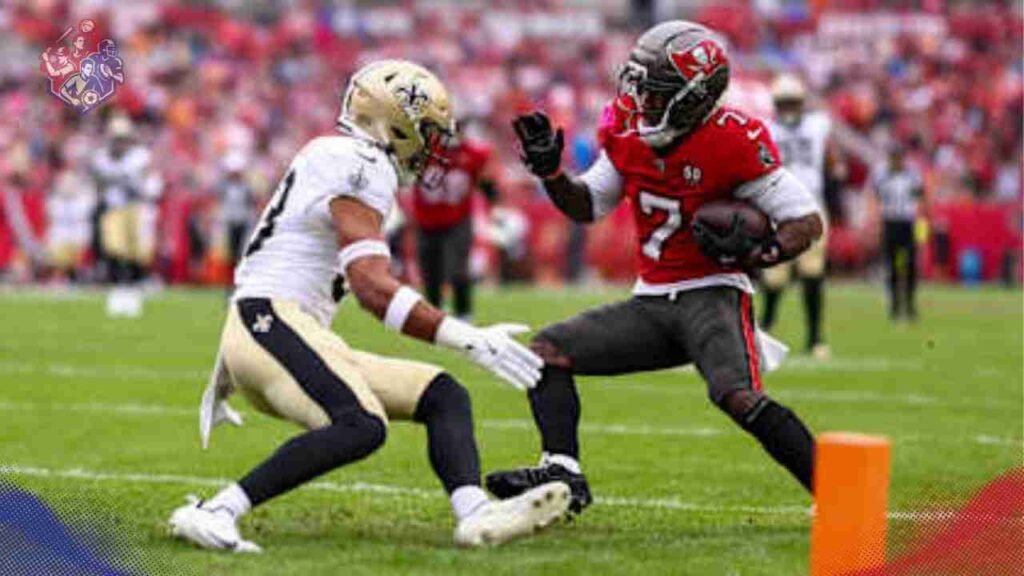
Special teams contributed significantly to the flow of the game by influencing field position throughout all four quarters. New Orleans gained an advantage in this area with strong punt returns and consistent kicking accuracy, which helped set up better starting positions for their offense.
Tampa Bay had mixed results on special teams, with solid kicking but limited return impact. A few missed opportunities in field position battles made it harder for their offense to consistently start drives in favorable areas. This subtle but important factor influenced overall game momentum.
Final Momentum Shift and Game Closure
As the game approached its final moments, momentum clearly leaned toward New Orleans. Their ability to execute controlled offensive drives and rely on defensive stops allowed them to manage the closing stages effectively. The Saints maintained composure under pressure and avoided costly mistakes in crunch time.
Tampa Bay continued to fight until the final whistle, but limited possession opportunities and strong defensive resistance made a comeback difficult. New Orleans’ balanced execution in both offense and defense ensured they maintained control and secured a narrow but hard-earned victory.
Conclusion
The matchup between the Tampa Bay Buccaneers and the New Orleans Saints delivered a dramatic NFC South showdown filled with intensity, strategy, and late-game excitement. The Tampa Bay Buccaneers vs New Orleans Saints Match Player Stats reflected a tightly contested game where execution in critical moments ultimately decided the outcome.
New Orleans secured a narrow victory through balanced offense, strong defensive pressure, and efficient red-zone execution. Tampa Bay showed strong offensive production and resilience but was ultimately impacted by turnovers and missed opportunities. Both teams displayed high-level football, reinforcing the competitive nature of their divisional rivalry.
FAQs
Q1. Who won the Tampa Bay Buccaneers vs New Orleans Saints match?
The New Orleans Saints won the game with a final score of 31-30.
Q2. Who was the top performer in the match?
The Saints quarterback and top wide receiver both delivered standout performances.
Q3. Which team had more total yards?
The Tampa Bay Buccaneers recorded slightly more total yards than the Saints.
Q4. What was the key turning point of the game?
A second-half interception by the Saints defense became the key turning point.
Q5. Why is the Buccaneers vs Saints rivalry important?
It is one of the most competitive NFC South rivalries, known for close games and strong defensive battles.
VISIT MORE: SPORTSFLOW