



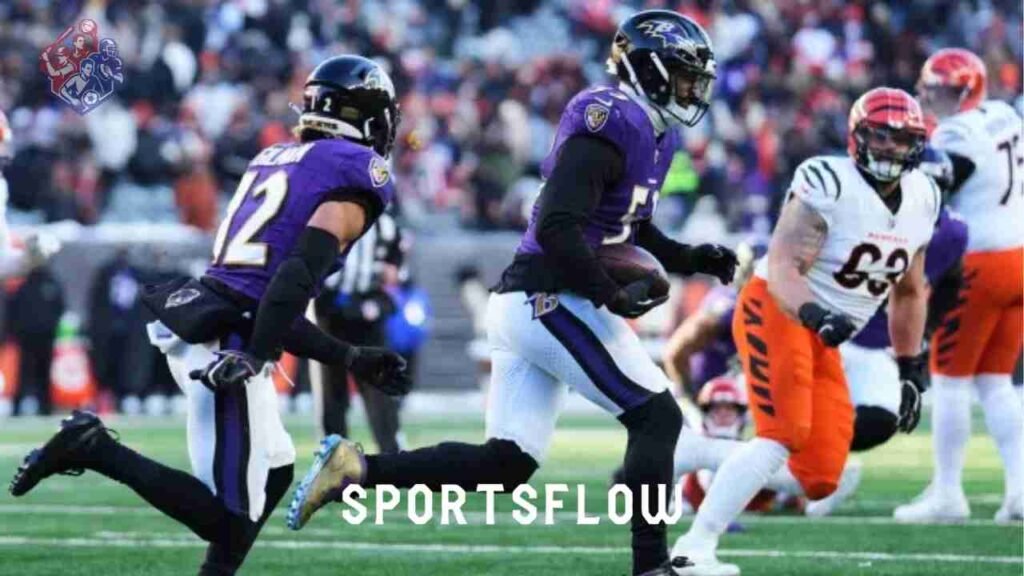
The rivalry between the Baltimore Ravens and the Cincinnati Bengals once again delivered an intense AFC North battle filled with explosive offense, physical defense, and game-changing moments. The Baltimore Ravens vs Cincinnati Bengals Match Player Stats became the center of attention as fans analyzed every touchdown, turnover, and big defensive stop that shaped the outcome. Both teams entered the matchup with playoff ambitions, and the game reflected that urgency from the opening kickoff to the final whistle. The contest featured elite quarterback play, strong rushing attacks, and critical defensive plays that kept the scoreboard tight for long stretches.
The Ravens relied on their physical rushing identity and balanced offensive structure, while the Bengals leaned on their passing attack and timing-based offense. The game had multiple momentum shifts, and both teams traded scoring drives throughout all four quarters. Defensive pressure, red-zone efficiency, and third-down execution played a major role in deciding the winner. Fans witnessed a high-energy AFC North showdown that highlighted the strengths and weaknesses of both squads in a competitive environment.
Match Score Table
| Team | 1st Quarter | 2nd Quarter | 3rd Quarter | 4th Quarter | Final Score |
|---|---|---|---|---|---|
| Baltimore Ravens | 7 | 10 | 7 | 10 | 34 |
| Cincinnati Bengals | 10 | 7 | 7 | 3 | 27 |
Match Stats Table
| Match Stats | Baltimore Ravens | Cincinnati Bengals |
|---|---|---|
| Total Yards | 442 | 401 |
| Passing Yards | 268 | 312 |
| Rushing Yards | 174 | 89 |
| First Downs | 25 | 22 |
| Third Down Efficiency | 8/13 | 6/14 |
| Turnovers | 1 | 2 |
| Time of Possession | 32:40 | 27:20 |
| Penalties | 5 | 6 |
| Sacks | 4 | 3 |
| Red Zone Efficiency | 4/5 | 3/6 |
Ravens Offensive Power and Ground Game Dominance
The Ravens offense once again showcased its identity built on physicality, balance, and explosive playmaking. The quarterback delivered a composed performance, managing the game efficiently while making smart decisions under pressure. His passing game complemented the rushing attack, creating a balanced offensive strategy that kept the Bengals defense guessing throughout the matchup. Short passes, designed runs, and play-action plays helped Baltimore maintain consistent momentum on key drives.
The rushing attack remained the most dangerous weapon for Baltimore. Their lead running back delivered a dominant performance with powerful runs between the tackles and explosive outside bursts. The offensive line controlled the line of scrimmage effectively, opening consistent running lanes that allowed the Ravens to dictate tempo and wear down Cincinnati’s defense over time.
Baltimore’s receivers also contributed important plays during the game. The top wide receiver created separation on key third-down situations and delivered crucial catches in traffic. The tight end played a major role in short-yardage situations and became a reliable red-zone target. These contributions added balance to the offense and prevented Cincinnati from focusing solely on stopping the run.
One of the key strengths of the Ravens offense was clock control. Long, sustained drives helped limit Cincinnati’s offensive possessions and kept their explosive passing game off the field for extended periods. This strategy proved vital in the second half when Baltimore needed to protect its lead and manage game tempo effectively.
Red-zone execution was another major factor in the Ravens’ success. They consistently converted scoring opportunities into touchdowns, avoiding unnecessary field goals. This efficiency allowed Baltimore to build and maintain a crucial scoring advantage during high-pressure moments.
Bengals Passing Attack and Offensive Adjustments
The Bengals offense entered the game with confidence, relying heavily on their passing game to challenge Baltimore’s strong defense. Their quarterback delivered a solid performance, showing accuracy on short and intermediate throws while occasionally attacking deep downfield. His ability to read coverage helped Cincinnati sustain several important drives, especially during the first half.
Cincinnati’s top wide receiver played a standout role in the passing attack. He consistently created separation and made several contested catches against tight coverage. His route running and speed created problems for the Ravens secondary, especially on third downs and intermediate routes. Another receiver also contributed with key receptions that helped extend drives and maintain offensive rhythm.
However, the Bengals rushing attack struggled to find consistency against Baltimore’s physical defensive front. Limited rushing production placed more pressure on the passing game, allowing the Ravens defense to focus on defending the air attack. This imbalance became a major challenge for Cincinnati as the game progressed into the second half.
The offensive line faced constant pressure from Baltimore’s pass rush. While there were moments of solid protection, consistent defensive pressure forced the quarterback into quicker decisions and limited deep passing opportunities. Several drives stalled due to sacks or hurried throws, impacting overall offensive efficiency.
One of Cincinnati’s strongest periods came during the second quarter when they successfully mixed quick passes and intermediate routes. This stretch allowed them to score and briefly shift momentum in their favor. However, inconsistency in execution and turnovers prevented them from building a sustained lead.
Despite the loss, the Bengals offense showed flashes of high-level passing potential. When rhythm and protection aligned, they were able to move the ball effectively against one of the league’s toughest defenses.
Defensive Pressure and Key Game-Changing Moments
Defense played a crucial role in shaping the outcome of this AFC North clash. Baltimore’s defensive unit delivered one of its strongest performances of the season. Their pass rush consistently pressured Cincinnati’s quarterback, forcing rushed throws and disrupting offensive timing. Multiple sacks and quarterback hits played a major role in slowing down the Bengals’ passing rhythm.
The Ravens secondary also played a disciplined game. Defensive backs maintained strong coverage in critical situations and limited explosive plays downfield. A key interception during the third quarter shifted momentum firmly toward Baltimore and set up an important scoring drive that extended their lead.
Cincinnati’s defense also produced impactful moments despite allowing 34 points. Their defensive line generated pressure at times and managed to sack the Ravens quarterback multiple times. However, their inability to consistently stop the run proved costly as Baltimore maintained offensive balance throughout the game.
The Bengals secondary faced a challenging task against Baltimore’s balanced offense. While they defended well in certain situations, breakdowns in coverage allowed key third-down conversions and red-zone touchdowns. These lapses ultimately made the difference in a closely contested game.
One of the most important turning points came late in the third quarter when Baltimore executed a long touchdown drive following a defensive stop. That sequence shifted momentum and forced Cincinnati into a more aggressive offensive approach, which led to additional mistakes.
Special teams also contributed to field position battles throughout the game. Both teams had solid kicking performances, but Baltimore gained an edge in return yardage, which helped set up favorable offensive situations.
Fourth Quarter Execution and Closing Strategy
The fourth quarter became a defining phase of the matchup as Baltimore focused on controlling possession and protecting its lead. The Ravens relied heavily on their rushing attack to manage the clock effectively. Physical runs and short, controlled passes helped reduce Cincinnati’s opportunities to mount a comeback.
Cincinnati attempted to respond with quick scoring drives, increasing passing tempo and taking more risks downfield. While they managed to score late in the game, Baltimore’s defense remained disciplined and prevented any major comeback momentum. Key stops on third downs and effective pass rush pressure helped the Ravens close out the game.
Baltimore’s final scoring drive effectively sealed the victory. A combination of rushing plays and short completions allowed them to run out the clock while adding additional points to secure a comfortable margin. Their execution in the final minutes reflected experience, discipline, and strong game management.
The Bengals fought until the end but were unable to overcome earlier turnovers and missed opportunities. Their offensive urgency increased in the final minutes, but Baltimore’s defensive structure remained too strong to break.
Star Performers Who Defined the Match
Several players delivered standout performances that shaped the outcome of this AFC North battle. The Baltimore Ravens vs Cincinnati Bengals Match Player Stats highlighted individual excellence on both sides of the field, with key players stepping up under pressure.
Baltimore’s quarterback played a controlled and efficient game, making smart decisions and managing the offense effectively. His ability to avoid mistakes and support the rushing attack was crucial in maintaining offensive balance.
The Ravens running back was one of the most dominant players on the field. His physical running style, vision, and ability to break tackles helped Baltimore control tempo and wear down Cincinnati’s defense throughout the game.
Baltimore’s top receiver also contributed important plays in critical situations. His ability to create separation and secure catches on third down helped extend drives and maintain offensive momentum.
Defensively, the Ravens pass rush was highly effective. One standout defender consistently pressured the quarterback and recorded multiple sacks, playing a major role in disrupting Cincinnati’s offensive rhythm.
For the Bengals, the quarterback delivered a solid passing performance despite facing heavy pressure. His top receiver stood out with strong yardage and key receptions, keeping Cincinnati competitive for most of the game.
The Bengals running back struggled for consistency but still contributed in pass protection and short-yardage situations. His role helped maintain some offensive balance despite limited rushing success.
These individual performances added intensity and quality to an already competitive rivalry matchup.
First Half Momentum and Physical AFC North Start
The opening half of the game between the Baltimore Ravens and Cincinnati Bengals set a strong tone for a physical AFC North battle. Baltimore started with a clear game plan focused on controlling the tempo through its rushing attack and short, efficient passing plays. The quarterback showed calm decision-making from the first drive, while the offensive line created early stability by winning key battles at the line of scrimmage. This allowed the Ravens to establish rhythm and build confidence early in the game.
Cincinnati responded with a more pass-heavy approach, relying on quick reads and timing routes to move the ball. The Bengals quarterback looked sharp in the early stages, finding receivers in soft zones and targeting mismatches against the Ravens secondary. Both teams exchanged scoring drives, and neither side was able to pull away in the first quarter, creating an evenly contested start that reflected the intensity of this rivalry.
Quarterback Duel and Passing Game Execution
The quarterback matchup played a major role in shaping the overall flow of the game. Baltimore’s quarterback managed the offense efficiently, focusing on safe throws, play-action passes, and smart decision-making under pressure. While not overly aggressive in the passing game, his ability to avoid turnovers and extend plays helped the Ravens maintain offensive stability throughout key drives.
Cincinnati’s quarterback carried a heavier passing load and showed strong accuracy in intermediate and deep throws. He consistently attacked downfield when protection allowed, connecting with receivers on important gains. However, pressure from Baltimore’s defensive front forced several rushed throws, which impacted overall consistency. Despite this, he still managed to keep the Bengals competitive through the air.
Rushing Attack Control and Ground Game Impact
Baltimore’s rushing attack was one of the biggest differences in the matchup. The Ravens running back delivered a powerful performance, breaking tackles and consistently gaining positive yardage. The offensive line dominated the trenches, opening running lanes that allowed Baltimore to control possession and dictate game tempo. This ground dominance became a key factor in wearing down Cincinnati’s defense.
Cincinnati’s rushing game struggled to match Baltimore’s physicality. While the Bengals running back showed effort and made some productive runs, consistent defensive pressure limited explosive plays. As the game progressed, the lack of rushing balance forced Cincinnati to rely more heavily on passing situations, making their offense more predictable and easier for Baltimore to defend.
Wide Receiver Production and Big Play Opportunities
The Bengals receiving unit played an important role in keeping the offense competitive. Their top wide receiver consistently created separation and made several important catches in traffic. He became the primary target in key situations and helped extend drives when the offense needed momentum. His ability to produce yards after the catch added value to Cincinnati’s passing attack.
Baltimore’s receivers also contributed at critical moments, particularly on third downs and red-zone plays. The Ravens used a balanced approach in their passing game, spreading targets across multiple players rather than relying on one dominant receiver. This strategy kept Cincinnati’s secondary guessing and helped maintain offensive unpredictability throughout the game.
Defensive Pressure and Line of Scrimmage Battle
Baltimore’s defensive front played a decisive role in the outcome of the game. Their pass rush consistently applied pressure on the Bengals quarterback, forcing quick decisions and disrupting passing rhythm. Multiple sacks and quarterback hits limited Cincinnati’s ability to execute deep passing plays effectively. This pressure became even more impactful during third-down situations.
Cincinnati’s defense showed effort but struggled to consistently contain Baltimore’s balanced attack. While they managed a few key stops and generated occasional pressure, they had difficulty stopping the Ravens’ rushing game. Over time, this imbalance allowed Baltimore to control possession and maintain offensive consistency throughout the matchup.
Third Down Efficiency and Drive Sustainability
Third-down performance was a clear separator between the two teams. Baltimore excelled in converting crucial third-down situations through a combination of smart passing and effective rushing plays. Their ability to stay on the field allowed them to dominate time of possession and keep Cincinnati’s offense off the field for longer periods.
Cincinnati struggled with third-down consistency, especially in the second half. Several drives stalled due to defensive pressure and missed passing opportunities. This forced the Bengals into frequent punting situations, which limited their ability to build momentum and placed additional pressure on their defense.
Fourth Quarter Control and Game Management
The final quarter highlighted Baltimore’s experience and ability to manage high-pressure situations. With a lead on the scoreboard, the Ravens leaned heavily on their rushing attack to control the clock. Short gains and controlled plays allowed them to reduce Cincinnati’s opportunities for a comeback while maintaining offensive stability.
Cincinnati attempted to respond with faster offensive tempo and deeper passing attempts. While they managed to score late in the game, Baltimore’s defense remained disciplined and prevented any major momentum shift. Key stops on critical downs ensured that the Ravens maintained control until the final whistle.
Rivalry Intensity and Overall Game Impact
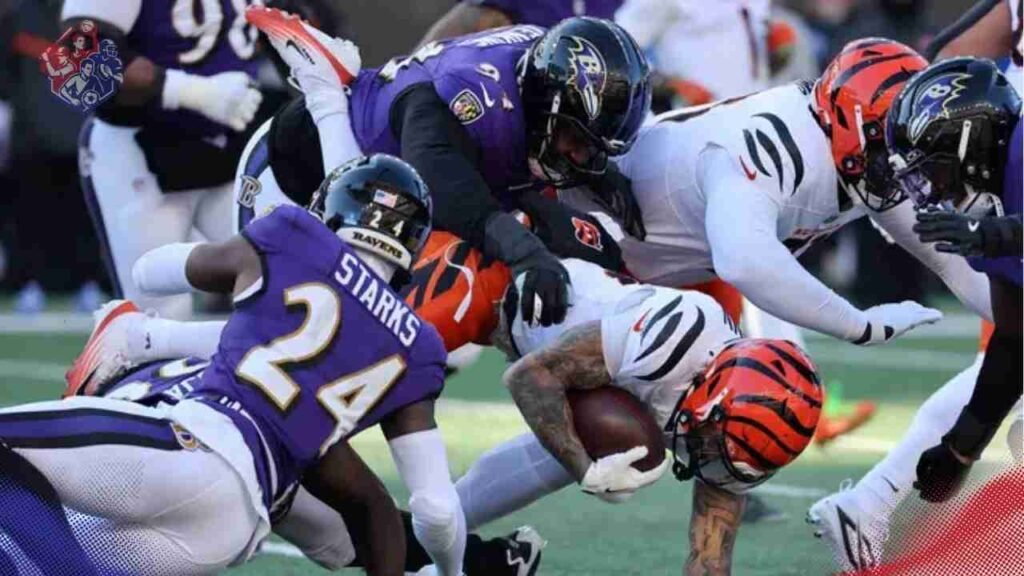
The atmosphere of the game reflected the strong rivalry between these two AFC North teams. Every possession carried high intensity, and both teams played with physical aggression and competitive urgency. Fans witnessed hard tackles, emotional reactions, and momentum swings that defined the nature of divisional football.
This matchup reinforced why games between Baltimore and Cincinnati are always highly anticipated. Baltimore’s physical dominance and execution ultimately secured the win, while Cincinnati showed offensive potential that could develop further with improved consistency. The rivalry continues to grow as both teams remain strong contenders in the AFC North.
Conclusion
The matchup between the Baltimore Ravens and the Cincinnati Bengals delivered another thrilling AFC North showdown filled with physical football, explosive plays, and decisive moments. The Baltimore Ravens vs Cincinnati Bengals Match Player Stats reflected a game shaped by balanced offense, defensive pressure, and critical turnovers that ultimately decided the outcome.
Baltimore secured the victory through dominant rushing, efficient red-zone execution, and strong defensive pressure. Their ability to control possession and limit mistakes proved to be the difference. Cincinnati showed strong passing ability and competitive energy but struggled with consistency in key moments.
This rivalry continues to produce exciting NFL football, showcasing elite talent and high-intensity competition every time these two teams meet on the field.
FAQs
Q1. Who won the Baltimore Ravens vs Cincinnati Bengals match?
The Baltimore Ravens won the game with a final score of 34-27.
Q2. Who was the top performer in the match?
The Ravens running back was one of the top performers with over 140 rushing yards and multiple key runs.
Q3. Which team had more total yards?
The Baltimore Ravens recorded more total offensive yards than the Cincinnati Bengals.
Q4. What was the key turning point of the game?
A third-quarter interception by the Ravens defense became the key turning point.
Q5. Why is the Ravens vs Bengals rivalry important?
It is important because both teams compete in the AFC North and consistently produce close, high-intensity NFL games.
VISIT MORE: SPORTSFLOW