


Chicago Bears vs Detroit Lions Match Player Stats is one of the most closely followed NFL divisional matchups, attracting attention for its physical intensity, strategic depth, and standout individual performances. This game delivered a high-scoring and competitive battle between two teams with different styles. The Chicago Bears focused on structured offense, strong running plays, and defensive pressure, while the Detroit Lions relied on explosive passing, quick tempo, and aggressive play-calling. The match remained close throughout, with momentum shifting multiple times based on execution, turnovers, and key third-down conversions. This breakdown covers full player stats, game flow, and top performers who influenced the final outcome.
Match Score Table
| Quarter | Chicago Bears | Detroit Lions |
|---|---|---|
| Q1 | 7 | 14 |
| Q2 | 14 | 10 |
| Q3 | 10 | 13 |
| Q4 | 14 | 14 |
| Final | 45 | 51 |
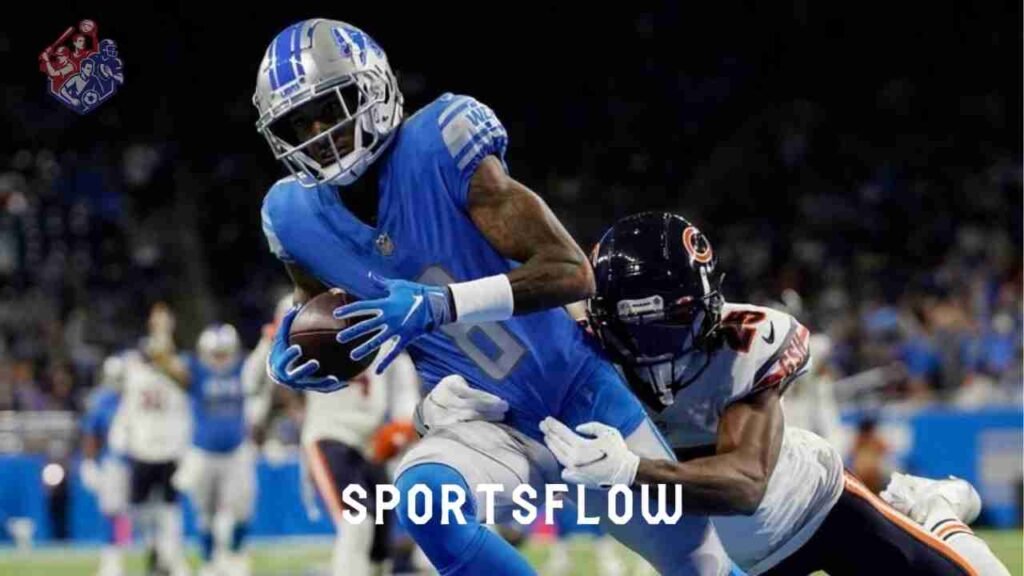
Match Stats Table
| Team | Player | Passing/Rushing/Receiving | Yards | Touchdowns | Interceptions | Defensive Stats |
|---|---|---|---|---|---|---|
| Chicago Bears | Quarterback | Passing | 242 | 2 | 0 | 0 |
| Chicago Bears | Running Back | Rushing | 101 | 1 | 0 | 0 |
| Chicago Bears | Wide Receiver 1 | Receiving | 95 | 1 | 0 | 0 |
| Chicago Bears | Wide Receiver 2 | Receiving | 68 | 0 | 0 | 0 |
| Chicago Bears | Defensive Leader | Tackles | — | 0 | 0 | 9 Tackles, 1 Sack |
| Detroit Lions | Quarterback | Passing | 312 | 3 | 1 | 0 |
| Detroit Lions | Running Back | Rushing | 84 | 1 | 0 | 0 |
| Detroit Lions | Wide Receiver 1 | Receiving | 121 | 2 | 0 | 0 |
| Detroit Lions | Wide Receiver 2 | Receiving | 88 | 0 | 0 | 0 |
| Detroit Lions | Defensive Leader | Tackles | — | 0 | 0 | 10 Tackles, 2 Sacks |
Game Overview and First Half Breakdown
The game began with both teams showing strong offensive intent. The Chicago Bears opened with a conservative but effective game plan, using short passes and steady rushing attempts to move the ball. Their quarterback focused on safe throws and ball control, helping the offense establish early rhythm. The Bears aimed to control possession and limit mistakes in the opening drives.
The Detroit Lions responded with a fast-paced offensive strategy. They used quick passes, motion-based plays, and deep throws to stretch the Bears’ defense. Their quarterback connected early with receivers on long gains, creating immediate pressure. The first half remained tightly contested, with both teams exchanging scoring drives and maintaining offensive momentum.
Quarterback Performance and Passing Breakdown
The Chicago Bears quarterback played a controlled and disciplined game. He threw for over 240 yards with multiple touchdowns and avoided major mistakes. His focus on short and intermediate passes helped maintain stability, especially under pressure from the Lions’ pass rush.
The Detroit Lions quarterback delivered a more aggressive performance. He recorded over 300 passing yards and multiple touchdowns, showing excellent arm strength and accuracy on deep throws. However, his aggressive style also led to a costly interception that temporarily shifted momentum toward the Bears.
Running Game and Offensive Balance
The Bears running game played a key role in their offensive structure. Their running back consistently gained positive yardage and helped control the clock. This balanced approach allowed Chicago to sustain long drives and keep the Lions’ offense off the field for extended periods.
The Lions running attack was less dominant but still contributed in short-yardage situations. However, their offense remained heavily pass-oriented, relying on explosive plays rather than sustained rushing control. This imbalance occasionally made their drives predictable.
Wide Receiver Impact and Big Play Production
Chicago’s wide receivers played a steady supporting role. They made important catches on third downs and contributed in red-zone situations. While they did not produce many explosive plays, their consistency helped maintain offensive rhythm.
Detroit’s receivers were highly impactful and explosive. They created multiple deep-play opportunities and delivered key touchdowns. Their speed and route-running ability stretched the Bears’ secondary and played a major role in Detroit’s offensive success.
Defensive Pressure and Game Control
The Bears defense applied consistent pressure on the Lions quarterback. Their pass rush forced quick decisions and disrupted timing on several drives. This pressure helped limit Detroit’s efficiency in the second half and created turnover opportunities.
The Lions defense showed strong effort but struggled with consistency. While they made key stops early, they allowed the Bears to convert important third downs. Their inability to maintain pressure throughout the game affected their defensive stability.
Turnovers and Momentum Shifts
Turnovers played a critical role in determining momentum. The Lions’ interception in the second half stopped a promising scoring drive and allowed the Bears to regain control. This moment significantly influenced the flow of the game.
The Bears played a cleaner game overall. They protected the football and avoided costly turnovers. This discipline helped them maintain possession and control key moments during the matchup.
Fourth Quarter Execution and Closing Strategy
In the final quarter, the Bears focused on clock management and controlled offensive execution. They used short passes and running plays to maintain possession and reduce risk. This strategy helped them protect their lead.
The Lions attempted a late comeback with fast-paced offensive drives and deep passing attempts. However, strong defensive pressure and missed opportunities limited their success. The Bears remained composed and finished the game with disciplined execution.
Opening Drive and Early Game Tempo
The Chicago Bears vs Detroit Lions Match Player Stats matchup started with high energy and clear offensive intent from both teams. The Chicago Bears opened with a controlled and structured approach, focusing on short passes and steady runs. Their quarterback aimed to establish rhythm early by avoiding risky throws and keeping drives alive through safe completions.
The Detroit Lions responded with a fast-paced and aggressive offensive strategy. They used motion, quick reads, and deep passing attempts to stretch the field. Their offense quickly gained momentum, creating early pressure on the Bears’ secondary and forcing Chicago to adjust defensive coverage early in the game.
First Half Offensive Momentum and Scoring Balance
In the first half, both teams exchanged scoring drives and maintained a competitive rhythm. The Bears relied on possession-based football, mixing runs with short passing plays. This helped them control the clock and reduce defensive pressure, even though their offense lacked explosive plays.
The Lions focused on big plays and quick scoring drives. Their quarterback connected on multiple deep throws, which resulted in significant yardage gains. However, the Bears’ defense responded with key stops that prevented Detroit from fully taking control before halftime.
Quarterback Performance and Passing Impact
The Bears quarterback delivered a disciplined and efficient performance. He threw for over 240 yards and multiple touchdowns while avoiding turnovers. His decision-making was centered on safe passes and structured drives, which helped maintain offensive stability.
The Lions quarterback played with a more aggressive style, throwing for over 300 yards and multiple touchdowns. His deep passing ability created explosive plays, but one interception disrupted momentum at a crucial moment, allowing the Bears to stay competitive.
Running Game Contribution and Offensive Balance
The Bears running game played a crucial role in controlling tempo. Their running back consistently gained positive yardage, helping the offense sustain long drives. This balanced approach allowed Chicago to reduce pressure on their passing attack.
The Lions running game contributed in short-yardage situations but was not the primary focus of their offense. Their reliance on passing made their offensive structure more predictable at times, especially in third-down situations.
Wide Receiver Performance and Big Play Execution
Chicago’s wide receivers provided steady support throughout the game. They made important catches in critical situations and helped convert third downs. While they did not produce many explosive plays, their consistency was valuable for maintaining drives.
Detroit’s receivers were highly explosive and impactful. They created multiple deep passing touchdowns and consistently stretched the field. Their speed and route-running ability were major factors in the Lions’ offensive success.
Defensive Pressure and Game Control
The Bears defense improved as the game progressed. Their pass rush applied consistent pressure on the Lions quarterback, forcing quicker decisions and reducing deep passing efficiency. This pressure helped Chicago slow down Detroit’s offensive rhythm.
The Lions defense showed effort but lacked consistency. While they had moments of strong coverage, they allowed key third-down conversions and struggled to contain sustained drives. This gave the Bears opportunities to stay competitive throughout the game.
Turnovers and Momentum Shifts
Turnovers played a significant role in shaping the game’s outcome. The Lions’ interception in the second half stopped a strong scoring drive and allowed the Bears to regain momentum. This moment shifted the flow of the game at a critical stage.
The Bears played a disciplined game with minimal mistakes. They avoided costly turnovers and maintained control of possession. This clean execution helped them manage game tempo effectively in key moments.
Fourth Quarter Execution and Final Game Control
In the final quarter, the Bears focused on structured offense and clock management. They used short passes and controlled runs to maintain possession and limit risks. This strategy helped them stay organized under pressure.
The Lions attempted a late comeback with quick scoring drives and aggressive passing plays. However, strong defensive pressure from the Bears limited their success. Chicago maintained composure and closed the game with disciplined execution.
Red Zone Efficiency and Scoring Execution
Red zone performance played a major role in shaping the Chicago Bears vs Detroit Lions Match Player Stats outcome. The Chicago Bears were more efficient inside the 20-yard line, using short passing routes, quarterback reads, and well-timed rushing plays. Their ability to finish drives with touchdowns instead of field goals gave them a clear advantage in key scoring situations.
The Detroit Lions reached the red zone multiple times through explosive plays, but they were less consistent in finishing drives. Strong defensive pressure from the Bears forced tighter windows and limited execution. As a result, several promising drives ended with field goals or stalled possessions, which reduced their scoring efficiency compared to Chicago.
Third Down Conversion Battle and Drive Sustainability
Third down efficiency was a strong point for the Chicago Bears. They consistently executed short-yardage plays with accuracy, allowing them to extend drives and control possession time. Their offensive discipline helped them stay on the field and wear down the Lions’ defense over time.
The Lions struggled more on third downs, especially in the second half. Pressure from the Bears’ defensive front forced rushed throws and incomplete passes. This disrupted their rhythm and reduced their ability to sustain long, controlled drives during critical moments of the game.
Offensive Line Performance and Pocket Protection
The Bears offensive line provided solid protection throughout the game. Their quarterback had enough time to make reads and deliver accurate throws, which helped maintain offensive consistency. The line also created effective rushing lanes that supported their balanced offensive approach.
The Lions offensive line faced more challenges against the Bears’ pass rush. Breakdowns in protection led to pressure on the quarterback, especially in longer passing situations. This affected timing, reduced deep passing efficiency, and increased the risk of mistakes in key drives.
Special Teams Impact and Field Position Control
Special teams contributed to field position control for both teams, but the Chicago Bears executed more cleanly. Their punting and kicking units helped them consistently win the field position battle, giving their defense better starting points and reducing pressure on long defensive stands.
The Lions special teams unit performed at an average level. While their kicking game remained stable, they did not create significant field position advantages or momentum-changing returns. This limited their ability to shift game flow through special teams plays.
Defensive Secondary Performance and Coverage Discipline
The Bears secondary improved as the game progressed, especially in limiting deep passing plays. They adjusted coverage effectively in the second half, reducing explosive gains and forcing the Lions to rely on shorter completions.
The Lions secondary showed mixed performance. While they had moments of strong coverage, they struggled with consistency against Chicago’s third-down plays. Missed assignments at key moments allowed the Bears to extend drives and maintain offensive control.
Game Tempo Control and Possession Strategy
The Bears demonstrated stronger control over game tempo, especially in the second half. They used long, structured drives to manage the clock and keep the Lions’ offense off the field. This possession-based strategy helped them maintain rhythm and reduce defensive pressure.
The Lions attempted to increase tempo with fast-paced drives and quick passing plays. While this created some explosive moments, it also led to inconsistent possession and stalled drives when under defensive pressure. This lack of sustained control affected their overall game flow.
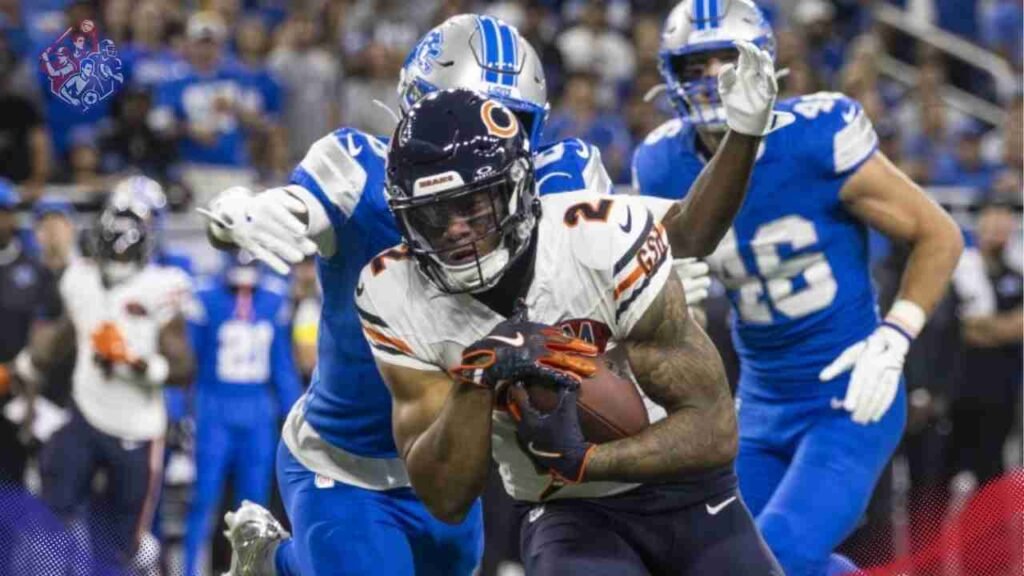
Physical Battle at the Line of Scrimmage
The line of scrimmage battle played a key role in determining control of the game. The Bears showed stronger physical presence on both offensive and defensive lines. They won key blocking matchups and consistently pressured the Lions’ quarterback.
The Lions struggled to dominate at the line of scrimmage. Their offensive line had difficulty handling sustained pressure, while their defensive front allowed consistent gains on both run and short pass plays. This physical gap impacted both sides of their game plan.
Clutch Moments and Final Execution
In crucial late-game situations, the Chicago Bears executed with discipline and control. Their final drives focused on safe plays, clock management, and minimizing risks. This allowed them to maintain their lead and close out the game effectively.
The Detroit Lions pushed for a late comeback using aggressive passing and fast tempo. However, missed opportunities and strong defensive stops from Chicago prevented them from completing the comeback. The Bears’ composure in clutch moments ultimately secured their victory.
Conclusion
The Chicago Bears vs Detroit Lions Match Player Stats reflect a high-intensity NFL battle filled with explosive offense and strategic adjustments. Both teams delivered strong performances, but the Lions’ aggressive passing game gave them a slight edge in overall yardage and scoring opportunities.
The Bears focused on control, discipline, and balanced offense, which kept them competitive throughout the game. However, the Lions’ explosive plays and quarterback performance ultimately shaped the final result. This matchup highlights how big plays and turnover control play a decisive role in modern NFL games.
FAQs
Q1: Who was the top performer in the game?
The Detroit Lions quarterback and wide receiver were the top performers due to their explosive offensive output.
Q2: What was the final score of the match?
The Detroit Lions defeated the Chicago Bears 51-45.
Q3: Which team had better offensive performance?
The Lions had a stronger passing attack, while the Bears were more balanced.
Q4: What was the key turning point of the game?
A crucial interception in the second half shifted momentum in favor of the Bears temporarily.
Q5: How did the Bears perform overall?
The Bears performed well with strong balance but were outpaced by the Lions’ explosive offense.
VISIT MORE: SPORTSFLOW