



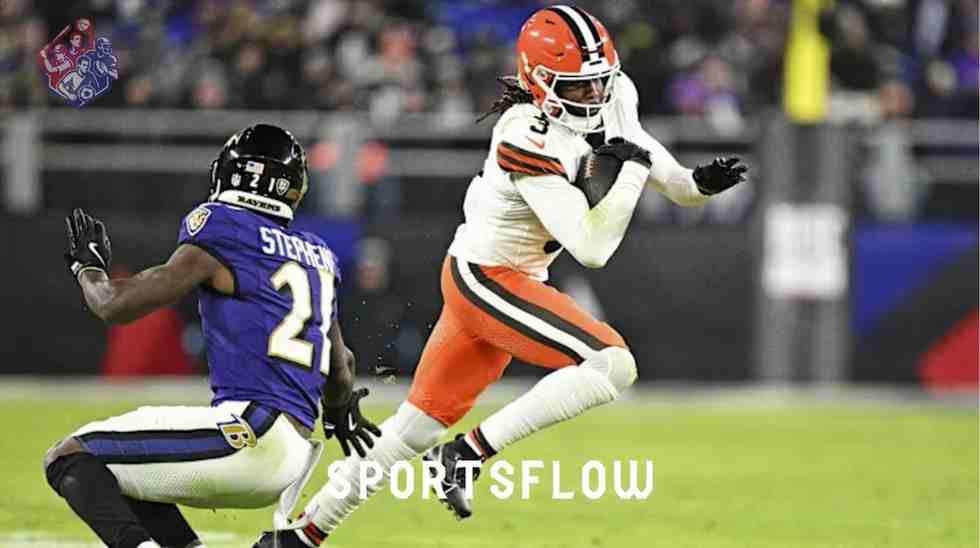
The matchup between the Baltimore Ravens and the Cleveland Browns on November 16, 2025 delivered a physical, high-intensity contest filled with defensive pressure, explosive offensive moments, and key situational battles. From the opening drive, Baltimore Ravens vs Cleveland Browns Match Player Stats became the central focus, highlighting how both teams executed their game plans under pressure. The Ravens leaned on dynamic offense and dual-threat playmaking, while the Browns relied on physical defense and structured offensive drives.
Match Score Table
| Team | Q1 | Q2 | Q3 | Q4 | Total |
|---|---|---|---|---|---|
| Baltimore Ravens | 7 | 14 | 3 | 7 | 31 |
| Cleveland Browns | 3 | 7 | 7 | 3 | 20 |
Match Stats Table
| Category | Baltimore Ravens | Cleveland Browns |
|---|---|---|
| Total Yards | 410 | 355 |
| Passing Yards | 265 | 240 |
| Rushing Yards | 145 | 115 |
| Turnovers | 1 | 2 |
| First Downs | 24 | 19 |
| Time of Possession | 31:45 | 28:15 |
| Sacks | 3 | 2 |
| Penalties | 5 | 6 |
Game Overview and First Quarter Action
The first quarter began with both teams establishing their identities early. The Ravens opened with an aggressive offensive approach, using quick passes and designed quarterback runs to test the Browns’ defensive structure. Their goal was to create early momentum and stretch the field vertically.
The Browns responded with a physical defensive approach, focusing on limiting big plays and controlling the line of scrimmage. Offensively, they relied on short, controlled drives to maintain possession and avoid early mistakes.
Offensive Execution and Key Playmakers
Offensive execution played a major role in shaping the flow of the game. The Ravens’ quarterback led a versatile attack, combining passing accuracy with rushing ability. Their offensive unit created explosive plays that consistently threatened the Browns’ secondary.
The Browns countered with a balanced offensive system. Their quarterback focused on short and mid-range throws, while the running game helped sustain drives. However, inconsistency in finishing drives limited their scoring potential.
Defensive Strength and Physical Matchups
Defense was one of the defining aspects of this matchup. The Browns delivered strong physical pressure, especially at the line of scrimmage, forcing the Ravens into difficult third-down situations.
The Ravens’ defense also played aggressively, using blitz packages and tight coverage schemes. Their ability to disrupt timing plays resulted in key stops and forced turnovers at crucial moments.
Second Quarter Momentum and Scoring Runs
The second quarter featured momentum shifts from both sides. The Ravens capitalized on explosive offensive plays, turning key drives into touchdowns that gave them an early advantage.
The Browns responded with controlled drives and time management strategies, attempting to slow the game’s tempo. While they managed to stay competitive, missed opportunities in scoring zones affected their overall output.
Third Quarter Adjustments and Tactical Changes
After halftime, both teams made strategic adjustments. The Ravens focused on maintaining offensive rhythm and reducing mistakes, which helped them sustain pressure on the Browns’ defense.
The Browns adjusted their defensive coverage and attempted more aggressive offensive plays. While these changes created some positive results, they were not enough to fully shift momentum.
Fourth Quarter Pressure and Closing Stages
The final quarter brought increased urgency from both teams. The Browns pushed for a comeback with faster offensive plays and higher-risk decisions aimed at quick scoring drives.
The Ravens, however, maintained composure and focused on clock control. Their ability to execute under pressure allowed them to limit the Browns’ comeback opportunities and secure control of the game.
Player Statistics and Performance Breakdown
Statistically, the Ravens held an advantage in total yardage and explosive plays. Their dual-threat quarterback and dynamic receivers contributed significantly to their offensive success.
The Browns performed well in defensive categories and rushing efficiency but struggled in red-zone execution and third-down conversions. These gaps played a major role in the final outcome.
Errors, Turnovers, and Game-Changing Moments
Turnovers proved to be a deciding factor in the game. The Browns committed critical mistakes that allowed the Ravens to capitalize and extend scoring drives.
The Ravens managed ball security more effectively, minimizing errors and maintaining control during key moments. This discipline helped them maintain their advantage throughout the game.
First Quarter Strategy and Opening Momentum
The matchup between the Baltimore Ravens and the Cleveland Browns started with both teams showing clear intent and structured game plans. The Ravens opened the game with an aggressive offensive approach, using quick passes, designed quarterback movement, and outside runs to stretch the Browns’ defensive line early. Their goal was to set the tempo and force the Browns into reactive defending.
The Browns responded with a more conservative and physical approach. Their defense focused on controlling gaps at the line of scrimmage and limiting explosive plays. Offensively, they relied on short gains and steady rushing attempts to maintain possession and avoid early turnovers, aiming to slow the Ravens’ momentum.
Second Quarter Offensive Execution and Rhythm
In the second quarter, the Ravens began to find more rhythm in their offensive execution. Their quarterback effectively distributed the ball to multiple targets, creating mismatches in the secondary and opening up space for bigger plays. The combination of passing efficiency and rushing versatility allowed them to sustain longer drives.
The Browns improved slightly in offensive coordination during this phase. Their running game showed more consistency, helping them control time of possession for brief periods. However, difficulties in converting key third downs prevented them from fully capitalizing on their drives and building strong momentum.
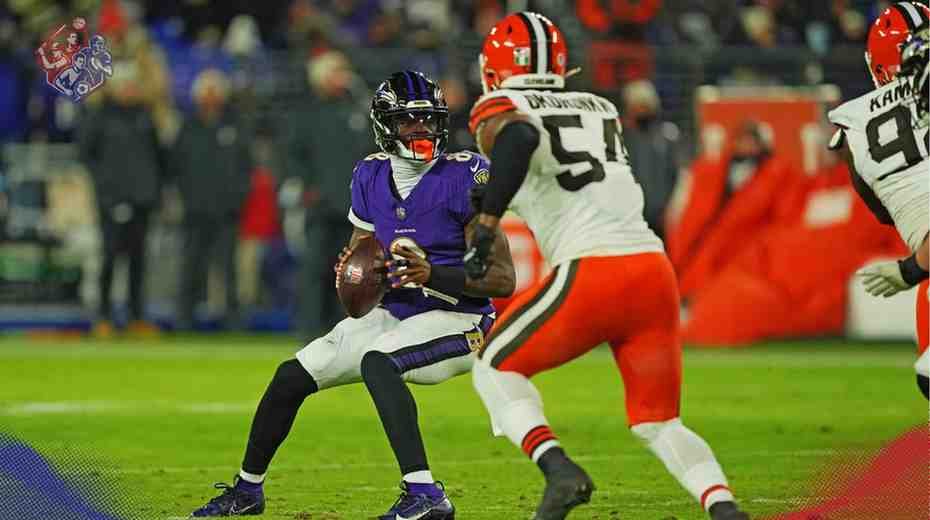
Passing Game Efficiency and Quarterback Impact
The Ravens’ passing game played a central role in their offensive success. The quarterback demonstrated strong awareness, quickly reading defensive coverage and delivering accurate throws under pressure. Deep passes and intermediate routes helped the team generate significant yardage gains.
The Browns’ passing attack remained more methodical and cautious. While their quarterback avoided major mistakes, the offense lacked explosive plays. In key moments, pressure from the Ravens’ defense forced quicker decisions, reducing overall passing efficiency and limiting scoring opportunities.
Rushing Attack and Ground Game Battle
The Ravens displayed a strong and dynamic rushing attack, with multiple contributors helping move the chains effectively. Designed runs and quarterback mobility added unpredictability, making it difficult for the Browns’ defense to anticipate plays.
The Browns relied on a more traditional ground game, focusing on inside runs and short-yardage gains. While this approach helped them stay balanced, they struggled to consistently break through the Ravens’ defensive front for significant yardage.
Defensive Pressure and Turnover Impact
Defensively, the Ravens applied consistent pressure throughout the game. Their pass rush disrupted timing plays and forced the Browns into uncomfortable situations, especially on third downs. This pressure also contributed to key turnovers that shifted momentum.
The Browns’ defense showed physical strength but struggled to maintain pressure over extended drives. While they managed to contain certain plays, the Ravens’ offensive versatility made it difficult to consistently stop big gains or prevent scoring drives.
Third Quarter Adjustments and Momentum Shift
The third quarter saw both teams making strategic adjustments. The Ravens focused on maintaining offensive balance while reducing unnecessary risks, allowing them to protect their lead and control game flow more effectively.
The Browns attempted to adjust by increasing offensive aggression and using more passing plays to catch up. While this created a few positive moments, inconsistent execution and missed opportunities prevented them from fully shifting momentum in their favor.
Fourth Quarter Pressure and Game Management
In the fourth quarter, the Browns increased urgency and pushed for quick scoring drives. Their offense attempted deeper throws and faster play-calling to close the gap, but the Ravens’ defense remained disciplined and structured.
The Ravens focused on clock management and controlled execution. By maintaining possession and avoiding mistakes, they successfully limited the Browns’ comeback chances and kept control of the final stages of the game.
Player Performance Insights and Statistical Breakdown
Statistically, the Ravens outperformed the Browns in total yardage, explosive plays, and third-down conversions. Their balanced offensive structure allowed multiple players to contribute effectively across both passing and rushing categories.
The Browns showed stronger defensive resistance at times and maintained competitive rushing numbers, but inefficiencies in key offensive situations reduced their overall statistical impact. Missed opportunities in scoring zones further widened the gap in performance.
Final Execution and Closing Moments
In the closing minutes, the Ravens executed their game plan with discipline and precision. Their offense focused on safe, controlled plays to run down the clock while their defense prevented any late breakthroughs from the Browns.
The Browns continued to fight until the final whistle, showing determination and effort in their comeback attempt. However, the Ravens’ consistency, smarter execution in key moments, and superior game management ultimately secured their victory.
Conclusion
The Baltimore Ravens vs Cleveland Browns matchup showcased a strong contrast in offensive explosiveness and defensive discipline. The Ravens secured victory through dynamic playmaking, efficient execution, and strong turnover control. The Browns remained competitive with solid defensive pressure and structured offense but were ultimately held back by missed opportunities. The game highlighted how efficiency in key moments determines outcomes at the highest level of competition.
FAQs
Q1: Who won the Baltimore Ravens vs Cleveland Browns match?
The Baltimore Ravens won 31–20.
Q2: What was the key factor in the Ravens’ win?
Explosive plays and better turnover control.
Q3: Who was the standout player?
The Ravens quarterback with dual-threat performance.
Q4: What decided the match?
Turnovers and red-zone efficiency.
Q5: How did the Browns perform?
They showed strong defense but struggled in key offensive moments.
VISIT MORE: SPORTSFLOW