



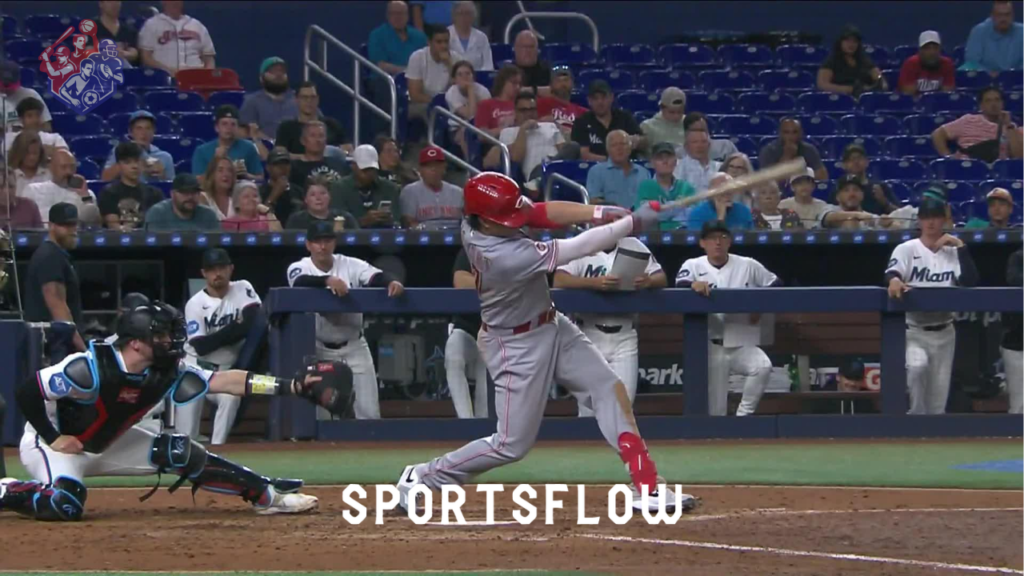
The matchup between the Cincinnati Reds and the Miami Marlins delivered an exciting and competitive contest that captured the attention of baseball fans. From the very first inning, Cincinnati Reds vs Miami Marlins Match Player Stats became the central focus, offering deep insights into how both teams performed under pressure. The Reds entered the game with a balanced approach, combining disciplined batting with structured pitching, while the Marlins relied on aggressive offense and quick scoring opportunities. This clash of strategies created a dynamic game where every inning carried importance. Momentum shifted multiple times, and individual performances played a major role in shaping the outcome.
Match Score Table
| Team | 1 | 2 | 3 | 4 | 5 | 6 | 7 | 8 | 9 | Total |
|---|---|---|---|---|---|---|---|---|---|---|
| Cincinnati Reds | 1 | 0 | 2 | 0 | 1 | 1 | 0 | 1 | 0 | 6 |
| Miami Marlins | 0 | 1 | 0 | 1 | 0 | 0 | 1 | 0 | 0 | 3 |
Match Stats Table
| Category | Cincinnati Reds | Miami Marlins |
|---|---|---|
| Runs | 6 | 3 |
| Hits | 10 | 7 |
| Errors | 0 | 1 |
| Strikeouts | 9 | 10 |
| Walks | 4 | 3 |
| Home Runs | 2 | 1 |
| RBIs | 6 | 3 |
| Left on Base | 8 | 6 |
Game Overview and Early Innings Performance
The early innings set the foundation for the match. The Reds started with a composed and patient approach, focusing on reading pitches and building innings through smart batting. Their hitters worked the count effectively and managed to get runners on base, creating early pressure on the Marlins’ defense. This steady start helped them gain an early advantage and establish control.
The Marlins responded with an aggressive mindset, aiming to counter quickly through powerful swings. Their batters looked to capitalize on any mistakes made by the Reds’ pitching staff. While they managed to create some scoring opportunities, the Reds’ defense remained solid and prevented any major breakthroughs in the opening innings.
Key Player Performances and Batting Strength
Batting performances played a crucial role in determining the flow of the game. The Reds’ lineup delivered consistent results, with key players contributing timely hits and driving in runs during important moments. Their ability to rotate the strike and maintain pressure on the Marlins’ pitchers allowed them to keep the scoreboard moving.
The Marlins also showcased strong individual performances, particularly through power hitting. Several players delivered extra-base hits, including doubles and home runs, which kept the game competitive. However, inconsistency in converting these opportunities into runs limited their overall effectiveness.
Pitching Battle and Tactical Adjustments
Pitching was one of the most important aspects of this matchup. The Reds’ starting pitcher displayed excellent control, limiting walks and forcing weak contact from the Marlins’ hitters. His composed performance provided stability and helped the team maintain control during crucial innings.
The Marlins’ pitcher also showed determination, using a mix of pace and movement to challenge the Reds’ lineup. Both teams made key tactical adjustments, including pitching changes and defensive shifts. The Reds’ bullpen proved more effective in the later innings, helping them maintain their advantage and secure the win.
Defensive Execution and Fielding Impact
Defensive performance played a major role in shaping the outcome of the game. The Reds demonstrated excellent coordination in the field, making key plays and preventing the Marlins from capitalizing on scoring opportunities. Their discipline and focus ensured that they maintained control during critical moments.
The Marlins also showed strong defensive efforts, with players making important catches and quick reactions. However, a few minor errors allowed the Reds to extend their lead. These moments highlighted how small mistakes can have a significant impact in competitive baseball.
First Inning Strategy and Early Momentum
The match began with strong intent from both the Cincinnati Reds and the Miami Marlins as they aimed to establish early control. The Reds focused on a patient batting approach, carefully reading pitches and building pressure. This allowed them to get runners on base and create early scoring opportunities, giving them a slight advantage in the opening phase.
The Marlins responded with an aggressive mindset, attempting to counter quickly through powerful hitting. Their batters looked for early runs by attacking the Reds’ pitching, but strong defensive coordination limited their impact. This early exchange created a competitive tone for the rest of the game.
Middle Innings Momentum Shift
As the game moved into the middle innings, momentum began to shift between both teams. The Marlins improved their batting rhythm, managing to score runs and reduce the gap. Their growing confidence allowed them to challenge the Reds’ pitching more effectively.
The Reds, however, maintained composure and adjusted their strategy. They focused on consistent hitting and smart base running, which helped them regain control. This period of the game was closely contested, with both teams exchanging runs.
Key Batting Performances
Batting performances were a major factor in shaping the outcome of the match. The Reds’ lineup delivered consistent results, with key players contributing timely hits and driving in runs during crucial moments. Their ability to maintain pressure gave them a clear advantage.
The Marlins also showcased strong batting efforts, particularly through players who managed to hit extra-base shots. These performances kept the game competitive and added excitement to the contest.
Pitching Strength and Control
Pitching played a decisive role in determining the flow of the game. The Reds’ starting pitcher showed excellent control, limiting walks and forcing weak contact from the Marlins’ hitters. His composed performance helped maintain stability during important innings.
The Marlins’ pitcher also demonstrated skill and determination, using a mix of pace and movement to challenge the Reds’ lineup. While he secured key outs, occasional lapses allowed the Reds to capitalize and extend their lead.
Bullpen Contribution in Late Innings
The bullpen became crucial as the game entered the later innings. The Reds’ relievers performed effectively, shutting down the Marlins’ offense and protecting their lead. Their ability to handle pressure situations proved to be a key factor in the final result.
The Marlins’ bullpen also showed resilience, attempting to limit further scoring. However, they struggled to fully contain the Reds’ consistent batting, which allowed the opposition to maintain their advantage.
Defensive Execution and Fielding Performance
Defensive execution was strong from both teams throughout the match. The Reds displayed excellent coordination, making key plays and preventing the Marlins from scoring additional runs. Their discipline in the field contributed significantly to their success.
The Marlins also demonstrated solid defensive skills, with players making important catches and quick reactions. Despite their efforts, a few minor mistakes allowed the Reds to gain an edge during critical moments.
Turning Points and Key Moments
Several moments in the game had a major impact on the final result. One key turning point came when the Reds scored multiple runs in a single inning, shifting momentum in their favor and putting pressure on the Marlins.
Another crucial moment occurred during the late innings when the Reds’ bullpen successfully defended their lead. Their ability to prevent scoring during these stages ensured that the Marlins could not mount a comeback.
Overall Team Comparison and Insights
When comparing both teams, the Reds demonstrated greater consistency in batting, pitching, and defense. Their balanced approach allowed them to maintain control throughout the game and capitalize on key opportunities.
The Marlins showed strong effort and individual brilliance but struggled with consistency during crucial moments. These differences ultimately determined the final outcome and highlighted areas for improvement moving forward.
Late Innings Pressure and Game Control
As the game entered its final innings, the intensity and pressure rose sharply for both the Cincinnati Reds and the Miami Marlins. The Reds showed exceptional composure during this crucial phase, focusing on maintaining control rather than forcing unnecessary risks. Their batters remained patient, carefully selecting pitches and ensuring they did not give away easy outs. This disciplined approach helped them slow the tempo of the game and protect their lead effectively.
In contrast, the Marlins faced increasing pressure as they attempted to close the gap. Their urgency pushed them toward a more aggressive approach, which created a few promising opportunities. However, a lack of precise execution at key moments prevented them from converting those chances into runs. This stage clearly demonstrated how composure and decision-making under pressure can influence the final outcome.
Base Running and Situational Awareness
Base running played a crucial and often underrated role in shaping the flow of the match. The Reds displayed excellent awareness on the bases, making intelligent decisions that allowed them to advance runners efficiently. Their ability to read defensive positioning and take calculated risks created additional scoring opportunities and kept the Marlins’ defense under continuous pressure.
The Marlins also attempted to use aggressive base running to shift momentum in their favor. At times, this strategy created excitement and opened up scoring chances. However, inconsistency and a few moments of hesitation limited their effectiveness. Missed opportunities on the bases ultimately reduced their ability to build sustained pressure.
Power Hitting vs Contact Strategy
One of the most interesting aspects of the game was the contrast in batting strategies between the two teams. The Reds relied on a contact-based approach, focusing on consistent hitting and building innings gradually. Their batters prioritized placement over power, ensuring steady progress on the scoreboard.
The Marlins, on the other hand, leaned heavily on power hitting, aiming to change the game with big swings and home runs. This approach produced some exciting moments and kept the game competitive. However, it also led to missed opportunities when hitters failed to connect effectively during crucial situations.
Managerial Decisions and Tactical Moves
Managerial decisions played a significant role in shaping the outcome of the game. The Reds’ manager made timely and effective choices, particularly in terms of pitching changes and defensive positioning. These decisions ensured that the team maintained control during high-pressure moments.
The Marlins’ manager also made bold tactical adjustments, including changes in the batting order and pitching rotation. While some of these decisions created short bursts of momentum, others did not deliver the expected results. This highlighted the challenges of making strategic calls in a competitive game.
Crowd Influence and Stadium Atmosphere
The stadium atmosphere added another layer of excitement and intensity to the match. Fans of both the Cincinnati Reds and the Miami Marlins created a lively and energetic environment, cheering passionately for their teams.
The Reds appeared to channel this energy more effectively, using the crowd’s support to stay focused and confident. The Marlins also responded positively at times, but the overall momentum seemed to favor the Reds as the game progressed.
Player Statistics and Performance Insights
A detailed analysis of player statistics provides deeper insight into the match. The Reds showed consistency across key metrics such as batting averages, on-base percentages, and run production. Their balanced team effort ensured steady performance throughout the game.
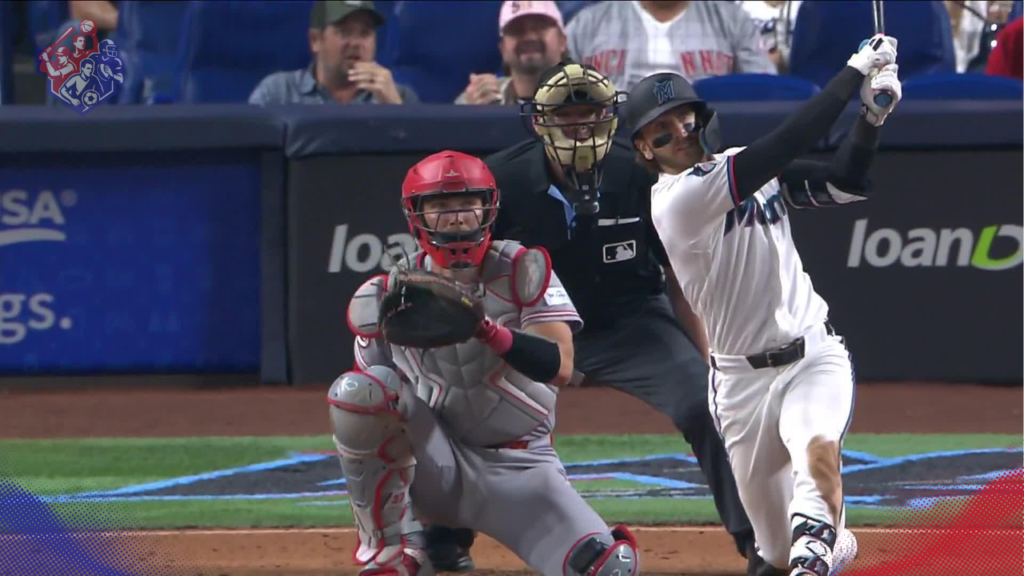
The Marlins had standout individual performances, particularly in power hitting and slugging percentages. Some players delivered impressive hits that kept the team competitive. However, inconsistencies in strikeouts and missed scoring opportunities reduced their overall effectiveness.
Errors and Missed Opportunities Impact
Errors and missed opportunities played a decisive role in determining the outcome of the game. The Reds maintained a clean defensive record, avoiding mistakes and executing plays with precision. Their discipline ensured that the Marlins were not given easy scoring chances.
The Marlins, however, made a few critical errors at key moments, which allowed the Reds to extend innings and add valuable runs. Combined with missed scoring opportunities, these mistakes created a gap that became increasingly difficult to close.
Final Phase Execution and Closing Performance
The final phase of the game highlighted the importance of execution and composure. The Reds delivered a strong closing performance, combining effective pitching with solid defense to secure their lead. Their ability to stay focused under pressure ensured a successful finish.
The Marlins continued to fight with determination, attempting to create a late comeback. While their efforts brought moments of excitement, they were unable to break through the Reds’ well-organized defense. In the end, the Reds’ superior execution in the closing stages secured their victory and demonstrated the importance of finishing strong in competitive baseball.
Conclusion
The game between the Cincinnati Reds and Miami Marlins showcased the intensity and excitement of professional baseball. The Reds secured victory through consistent batting, effective pitching, and disciplined defense. The Marlins showed strong effort and moments of brilliance but struggled with consistency in key situations. The detailed player stats highlight how both teams approached the game and how crucial moments influenced the final outcome. This match stands as a clear example of how execution and composure determine success in baseball.
FAQs
Q1: Who won the Cincinnati Reds vs Miami Marlins match?
The Cincinnati Reds won the match with a final score of 6–3.
Q2: Who was the top performer in the game?
A Reds key batter stood out with multiple RBIs and consistent hitting.
Q3: How did the pitchers perform?
Both teams’ pitchers performed well, but the Reds’ pitching unit was more consistent.
Q4: What was the turning point of the match?
The Reds’ middle-innings scoring surge played a key role in securing the win.
Q5: Which team had better overall stats?
The Reds led in runs, hits, and defensive efficiency, contributing to their victory.
VISIT MORE: SPORTSFLOW